In short
- 1 Hlane · 2 Mkhaya · 3 Mlilwane · 4 Mantenga Cultural Village & Falls · 5 Umhlanga Reed Dance · 6 Malolotja · 7 Sibebe Rock · 8 National Museum & Lobamba · 9 Malkerns craft trail · 10 Phophonyane Falls & the north.
- Bonus: Mlawula and the Lubombo for walking and birding; Ngwenya Mine, the world's oldest known mine.
- Most of the top 10 can be seen in 5–7 days.
1. Hlane Royal National Park
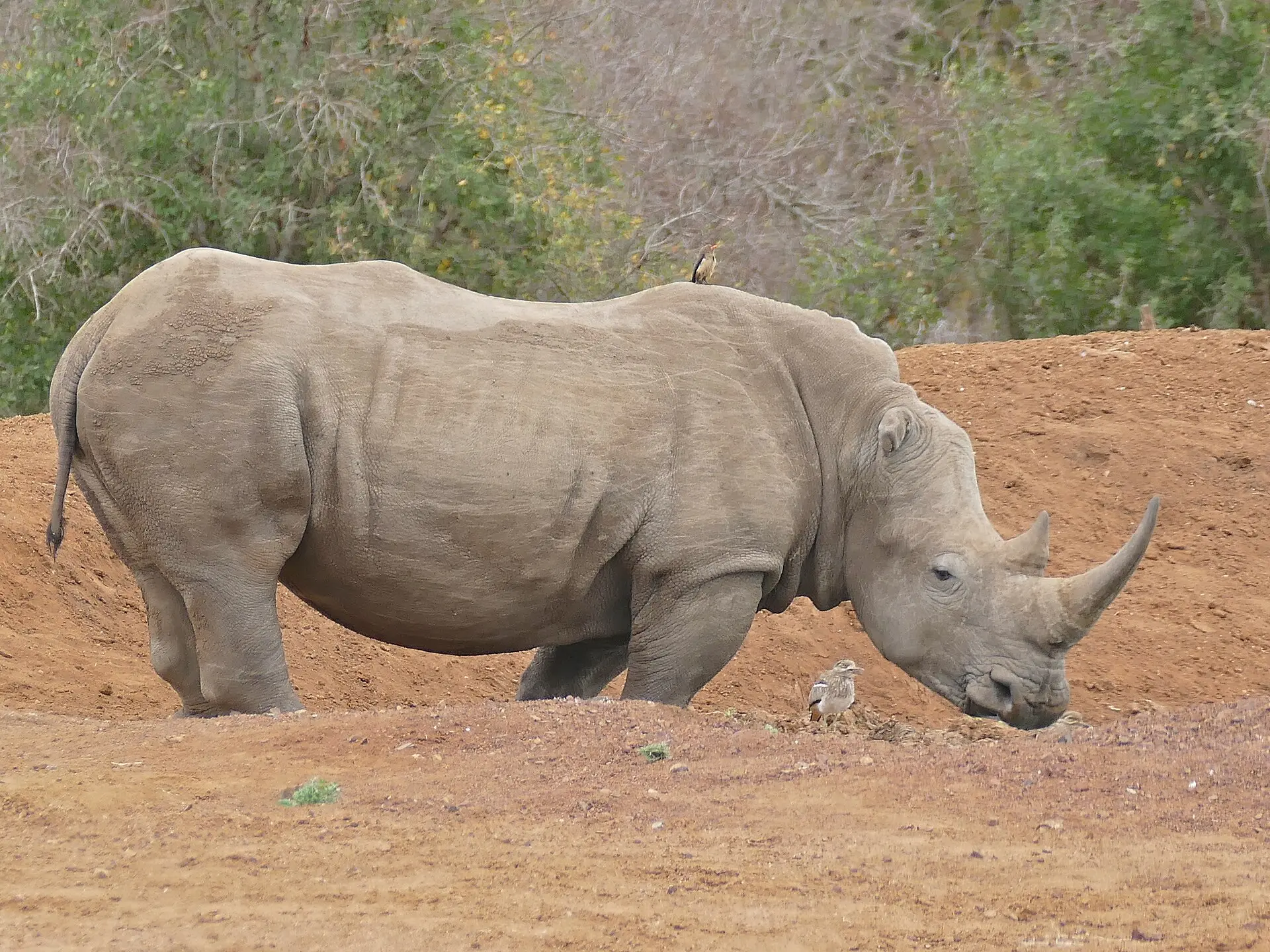
Eswatini's largest conservation area and its classic safari: elephants and white rhino at the Ndlovu waterhole, lions in a fenced section (lion-area drives suspended as of November 2026), vultures overhead and lantern-lit camps. A former royal hunting ground, held in trust for the nation by the King. Hlane guide.
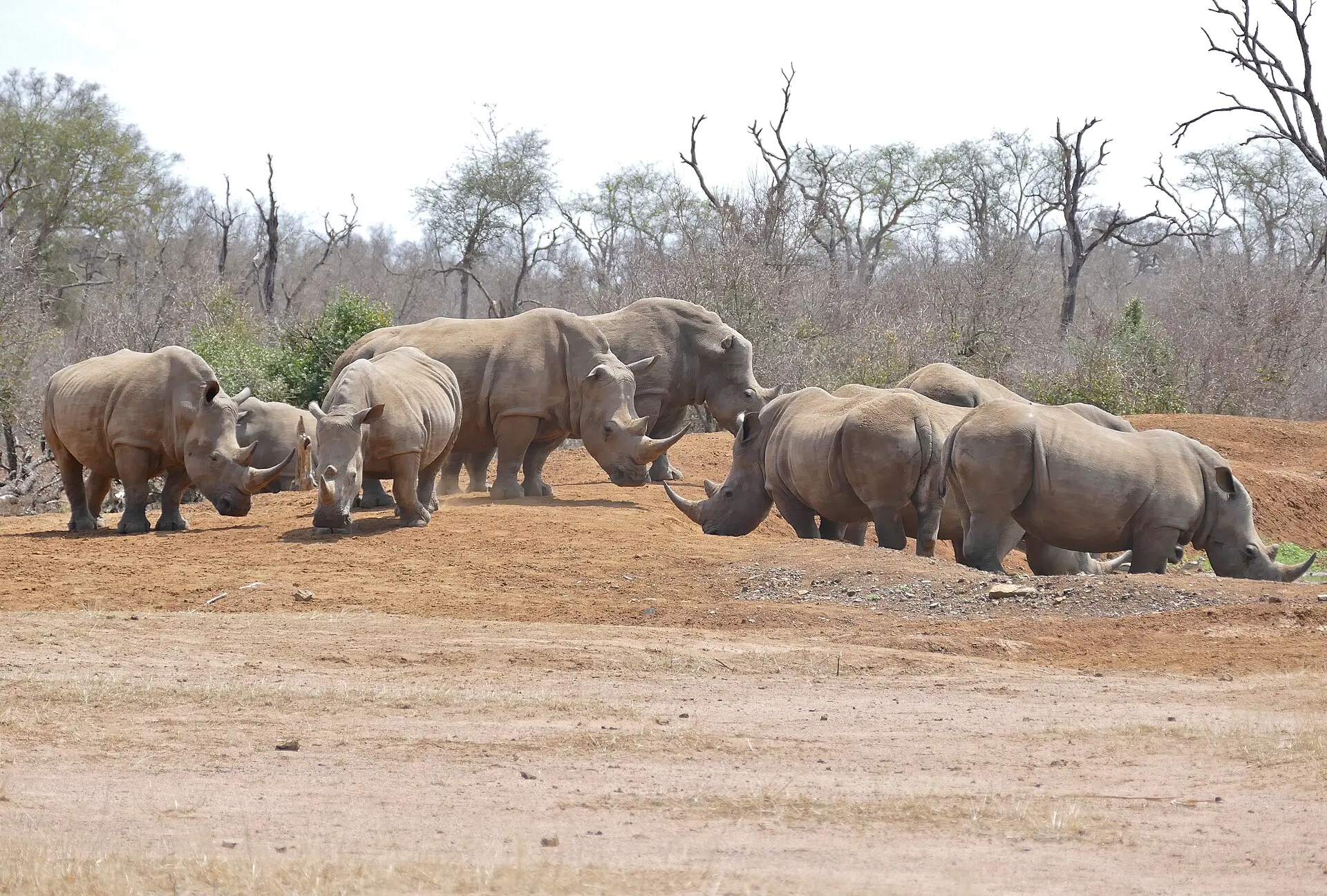
Hlane National Park safari day tour
A day safari in Hlane Royal National Park, Eswatini's largest reserve. Newly listed on GetYourGuide (no reviews yet as of November 2026) — read the listing for pickup, inclusions and park fees.
Check availabilityBook via GetYourGuideTour listings are on GetYourGuide. Prices, times and cancellation terms are shown live on each listing and can change; VisitEswatini.com may earn a commission at no extra cost to you.
2. Mkhaya Game Reserve
A private refuge for endangered species where every visit is guided and pre-booked. Big Game Parks calls it probably the best chance of seeing black rhino in the wild in Africa; walking up to rhino with a ranger is unforgettable. Mkhaya guide.
3. Mlilwane Wildlife Sanctuary
The country's first protected area (1961) and the easiest place to get close to wildlife — on foot, by bike or on horseback — among zebra, wildebeest and antelope, with hippos at the restaurant pool. Mlilwane guide.
4. Mantenga Cultural Village and Falls
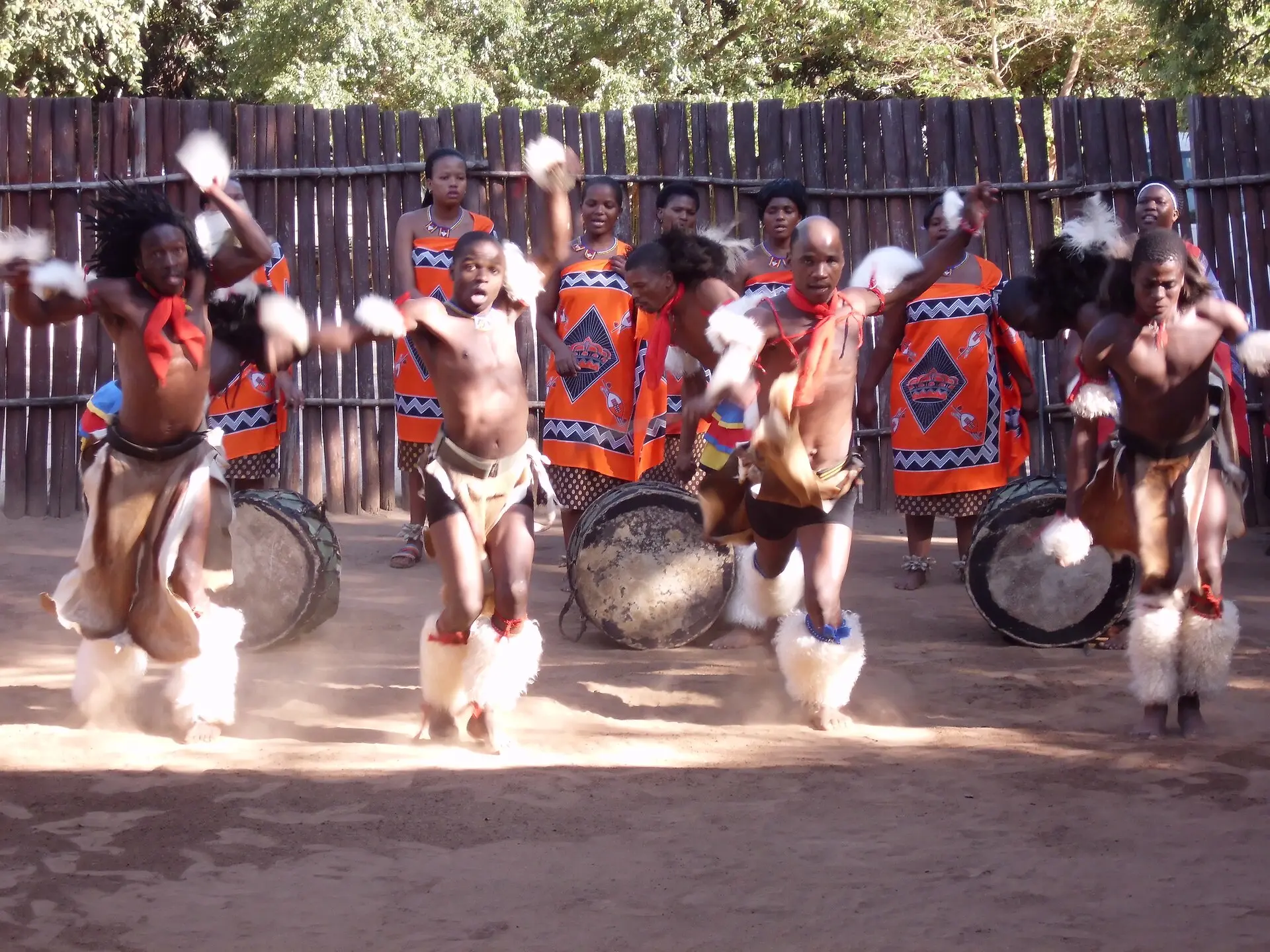
A living museum of an 1850s Swazi homestead with daily song-and-dance performances at 11:15 AM and 3:15 PM local time, plus a short walk to the 95 m Mantenga Falls. Ezulwini Valley guide.
5. The Umhlanga Reed Dance
One of Africa's great cultural events: tens of thousands of young women present reeds to the Queen Mother at Ludzidzini, near Lobamba, in late August or early September. Dates are announced each year; visit respectfully. Lobamba guide.
6. Malolotja Nature Reserve
Eswatini's wildest mountains: about 200 km of hiking trails, waterfalls, wildflowers, rare birds and a canopy tour through a forested gorge. Malolotja guide.
7. Sibebe Rock
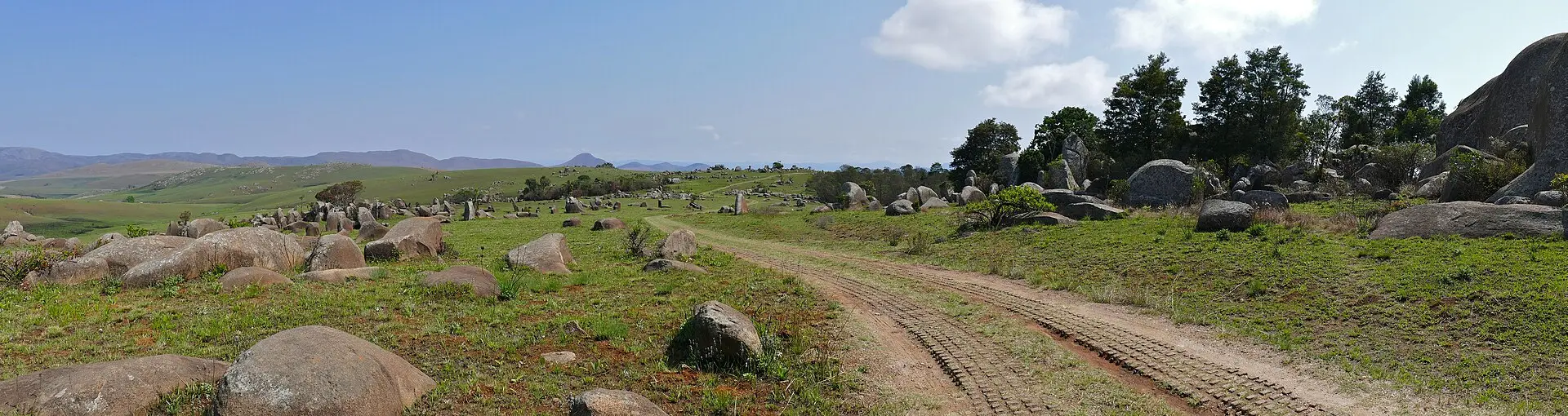
A colossal granite dome on the edge of Mbabane, often described as one of the largest exposed granite domes in the world. Climb it with a local guide for huge views. Mbabane & Sibebe guide.
Sibebe Rock guided tour from Mbabane
A guided climb of Sibebe, the giant granite dome on Mbabane's edge. Newly listed on GetYourGuide (no reviews yet as of November 2026) — read the listing for pickup, inclusions and park fees.
Check availabilityBook via GetYourGuideTour listings are on GetYourGuide. Prices, times and cancellation terms are shown live on each listing and can change; VisitEswatini.com may earn a commission at no extra cost to you.
8. Lobamba: National Museum and King Sobhuza II Park
The royal and legislative capital, where the museum tells the story of the emaSwati and the memorial park honours the king who led the country to independence in 1968. Lobamba guide.
9. Malkerns craft trail
Swazi Candles, Gone Rural's grass basketry and the sculpted arts venue House on Fire — the best place to buy fine crafts that support rural makers. Shopping guide.
10. Phophonyane Falls and the north
Forest cascades near Piggs Peak, San rock paintings at Nsangwini above Maguga Dam, and the old mining town of Bulembu. Piggs Peak guide.
Also worth it
Hidden gems
- Nsangwini Rock Art Shelter — San paintings above the Komati River, community-guided (Piggs Peak).
- Bulembu — the revived asbestos-mining town on the escarpment (Piggs Peak).
- Shewula Mountain Camp — community camp with views into Mozambique (Lubombo).
- Ngwenya Mine — the 43,000-year-old Lion Cavern (Malolotja).
- Reilly's Rock — a historic hilltop lodge and garden inside Mlilwane (Mlilwane stays).
The top 10 compared
How long each highlight takes, when to go and who runs it. Hours and fees from the Big Game Parks and ENTC pages, checked November 2026.
| Sight | Time needed | Best time | Run by / book |
|---|---|---|---|
| Hlane | 1–2 nights | May–October; sunrise and sunset drives | Big Game Parks |
| Mkhaya | Day tour or 1 night | April–October | Big Game Parks (pre-booking essential) |
| Mlilwane | Half day – 2 nights | All year; early mornings | Big Game Parks |
| Mantenga | 2 hours | Shows 11:15 AM and 3:15 PM local time | ENTC; gates 6:00 AM–6:00 PM |
| Umhlanga | 1–2 days | Late Aug / early Sep (dates announced yearly) | Royal authorities |
| Malolotja | Day – 3 nights | April–May, September–October | ENTC; gates 6:00 AM–6:00 PM |
| Sibebe Rock | 3–4 hours | Dry-season mornings | Community guides |
| National Museum | 1–1½ hours | Weekday mornings | ENTC |
| Malkerns crafts | Half day | Weekdays (workshops active) | Private makers |
| Phophonyane & the north | 1–2 nights | December–March for full falls | Private lodge / community guides |
Wildlife highlights: what you can realistically see
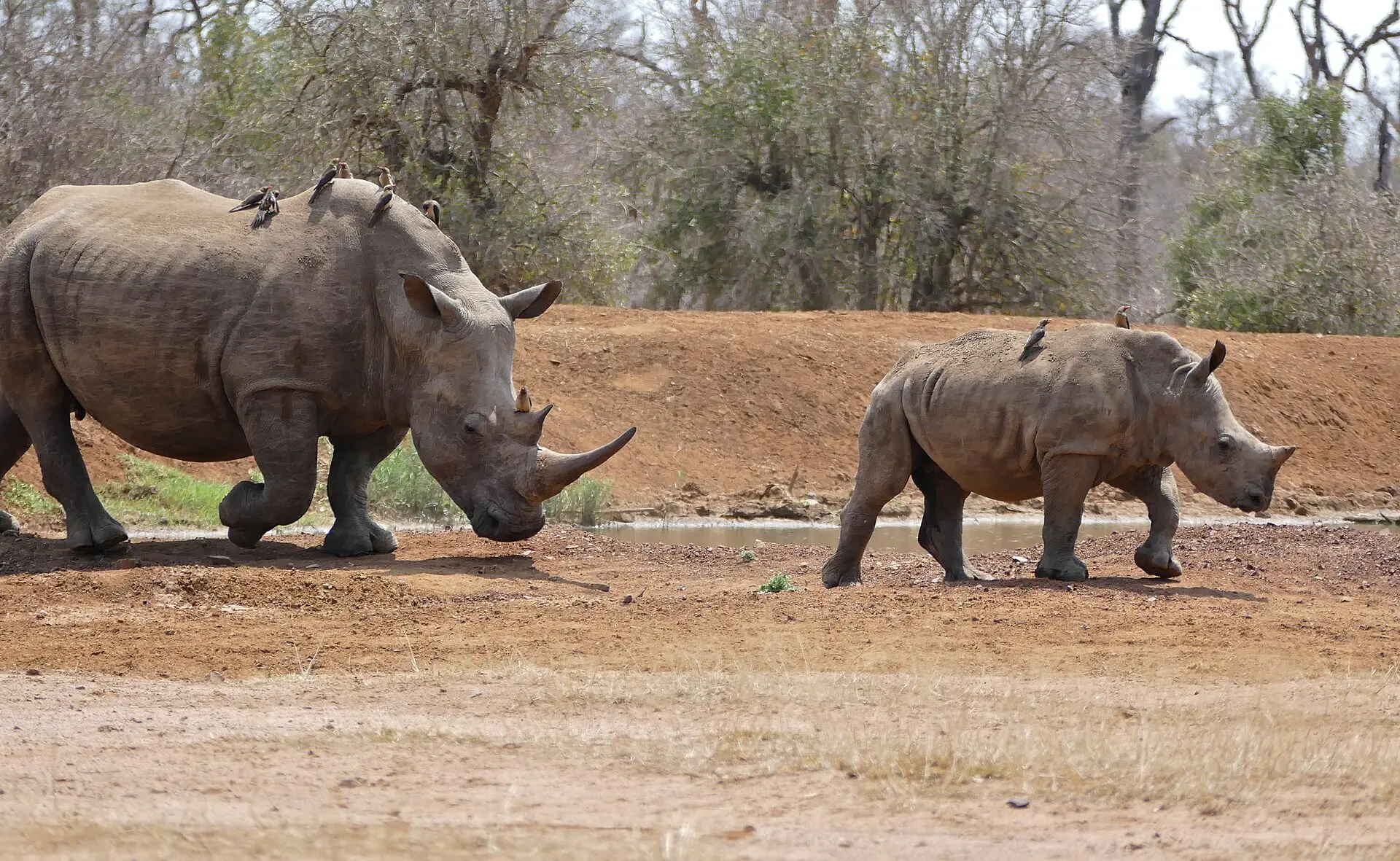
White rhino are the most reliable big-animal sighting in the country: they graze in the open at Hlane and gather at the Ndlovu waterhole, and Mkhaya holds both white and black rhino. Elephant live at Hlane (Big Game Parks notes they were removed from Mkhaya in 2015). Lion are kept in a separately fenced section of Hlane — but Big Game Parks listed drives into the lion area as suspended until further notice in November 2026, so do not plan a trip around them.
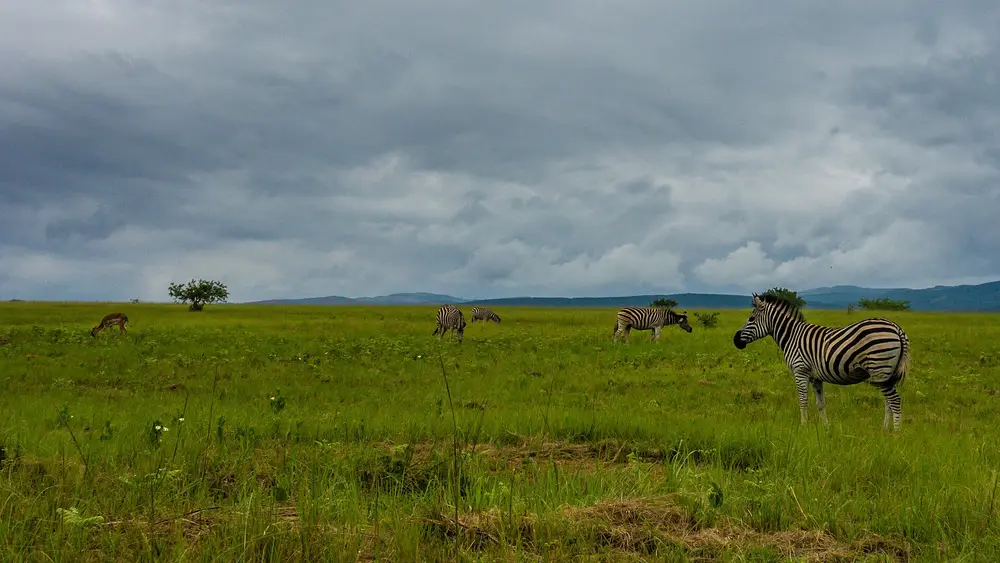
Buffalo, sable, tsessebe and Livingstone's eland occur in Eswatini only at Mkhaya, according to Big Game Parks. Hippo and crocodile are easy at Mlilwane's Hippo Haunt pool. Zebra, wildebeest, kudu, nyala and impala are everywhere in the reserves. Leopard are present in several parks but seldom seen. Birders will want Hlane's vultures and raptors, Malolotja's blue swallow and southern bald ibis and Mlawula's African finfoot.
Top sights for culture
Eswatini's living culture is its other great attraction, and you do not have to be lucky with ceremony dates to see it. The Mantenga Cultural Village recreates an 1850s homestead, with daily dancing by the resident troupe; the National Museum in Lobamba explains clans, regiments and royal ceremonies, and its international adult ticket is E100 according to the ENTC's fee list (as of November 2026). Next door, King Sobhuza II Park honours the king who led the country to independence. Rural homestead and village visits — several now offered by local guides on GetYourGuide — show how families still live around the cattle byre.
If your dates match, the Umhlanga Reed Dance (late August or early September) is one of Africa's most remarkable gatherings, and the public days of Incwala (December–January) are equally important but more restricted. Dress modestly and follow officials; see events.
Eswatini cultural tour
A guided cultural day in Eswatini — rated 4.6/5 from 28 reviews on GetYourGuide (as of November 2026), the most-reviewed Eswatini listing. Check the itinerary for which villages and sights are included.
Check availabilityBook via GetYourGuideCultural village, city and waterfall tour
Combines a Swazi cultural village, a city stop and a waterfall — rated 4.3/5 from 7 reviews (as of November 2026). The Ezulwini Valley's Mantenga village and falls fit this pattern; confirm on the listing.
Check availabilityBook via GetYourGuideTour listings are on GetYourGuide. Prices, times and cancellation terms are shown live on each listing and can change; VisitEswatini.com may earn a commission at no extra cost to you.
Top viewpoints and scenic drives
Sibebe Rock summit — the whole of Mbabane and the Mbuluzi valley below a vast sweep of granite.
Nyonyane (Execution Rock) in Mlilwane — reached on Mlilwane's sunset drive, on horseback or on foot, with the Ezulwini Valley at your feet.
The MR1 from Mbabane to Piggs Peak — highveld grassland, plantations and the Malolotja escarpment; stop at the reserve's viewpoints.
Maguga Dam — a big blue lake in the Komati valley, best in late-afternoon light, near the Nsangwini rock art.
The Lubombo escarpment at Shewula and Mlawula — views across the lowveld to the west and into Mozambique to the east.
Free and nearly free highlights
Not everything costs a park fee. Watching glassblowers at Ngwenya Glass and candle-makers at Swazi Candles is free; browsing Manzini Market and the Ezulwini craft market costs nothing unless you buy; Pine Valley below Sibebe is a beautiful free drive; and Sunday church singing in any town is a moving (and free) experience if you ask first. Inside parks, Hlane's Ndlovu waterhole can be watched from camp for the price of entry.
Planning around opening times
Most attractions run on daylight hours. ENTC reserves (Mantenga, Malolotja, Mlawula) list gates as 6:00 AM–6:00 PM local time; Ngwenya Mine tours run 8:00 AM–4:00 PM; Big Game Parks gates open at sunrise and close at sunset, with Hlane giving 6:00 PM as its closing time. The National Museum keeps office-style hours with shorter weekend opening — check before you go. Mkhaya is visited only at fixed pick-up times (10:00 AM or 4:00 PM local time) from its meeting point on the MR8.
If you only have one day
Base yourself in the Ezulwini Valley: Mantenga Cultural Village for the 11:15 AM show and the falls, lunch in Malkerns with Swazi Candles and Gone Rural, then Mlilwane for a late-afternoon bike ride or game drive and a sundowner at the Hippo Haunt.
Accessibility of the top sights
Hlane's waterhole, Mlilwane's restaurant deck and Ngwenya Glass's viewing gallery are among the easiest highlights for visitors with limited mobility. Mantenga's village, Sibebe and Malolotja's trails involve uneven ground or steep paths.
Planning your top 10
Nine of the top 10 lie within about 90 minutes of the Ezulwini Valley, so a 5–7-day stay can cover nearly everything: three or four nights in the valley or Mlilwane, then one or two nights each at Mkhaya and Hlane, with Malolotja or Piggs Peak on the way in from Kruger or Johannesburg. Umhlanga is the exception — it only happens once a year. See itineraries.
Frequently asked questions
What is Eswatini most famous for?
Its living monarchy and ceremonies such as the Umhlanga Reed Dance, its game reserves (Hlane, Mkhaya, Mlilwane), crafts such as Swazi Candles and grass basketry, and mountain scenery.
Can you see the Big Five in Eswatini?
Lion, elephant, rhino (black and white) and buffalo all occur in Big Game Parks' reserves; leopard is present but rarely seen. Hlane and Mkhaya together give the best chances.
Sources and official information
Facts were checked against these official sources in November 2026. Opening hours, prices and timetables change, so confirm before you go.
VisitEswatini.com is an independent guide, not the official site of the Eswatini Tourism Authority, the Government of Eswatini, Big Game Parks, the Eswatini National Trust Commission or any operator. Some links are affiliate links: tours go to GetYourGuide and hotels go to Booking.com, and we may earn a commission at no extra cost to you.