- Region
- Lubombo · Lowveld & plateau
- How long
- 1–2 nights
- Main reserve
- Mlawula Nature Reserve (ENTC), ≈ 16,500 ha
- Wildlife
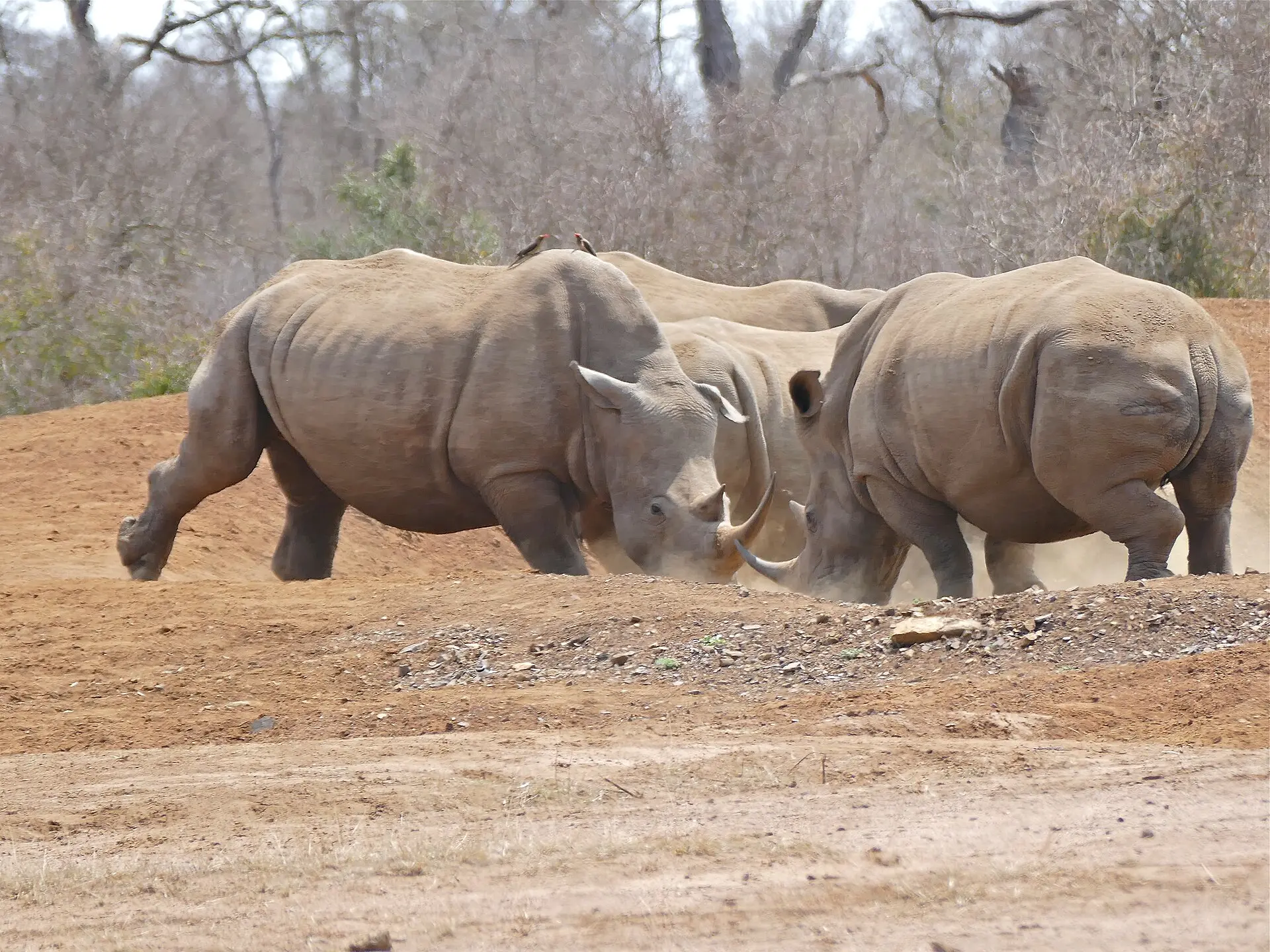
- No elephant or lion — walking without a guide allowed in Mlawula
- Birds
- ≈ 350 species recorded in Mlawula
- From Manzini
- ≈ 85–95 km, about 1¼ h to Mlawula
In short
- The Lubombo region is Eswatini's wild east: hot lowveld bush rising to the long ridge of the Lubombo Mountains on the Mozambique border.
- Mlawula Nature Reserve (ENTC, ≈ 16,500 ha) has 10 walking trails, gorges, rare ironwood forest and about 350 bird species — and no lions or elephants, so you can walk unguided.
- Shewula Mountain Camp, a community-owned camp on the escarpment, looks across to Mozambique; private Mbuluzi Game Reserve borders Mlawula.
- Easy to combine with Hlane (20–30 minutes) and the road to Maputo.
- It is in the malaria risk area: get advice before you go.
The Lubombo at a glance
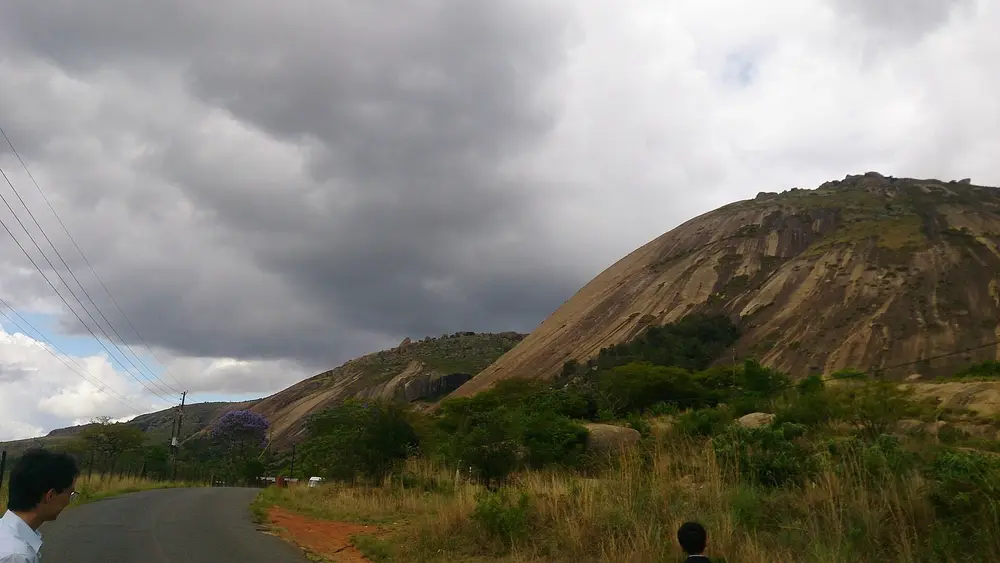
Eswatini's eastern edge is formed by the Lubombo (Lebombo) Mountains, a long volcanic ridge running north–south along the border with Mozambique. Below it lies the lowveld: sugar-cane estates around Simunye and Big Bend, acacia bush, and some of the least-visited conservation areas in the kingdom once known as Swaziland. On top, the plateau town of Siteki enjoys cooler air and wide views.
The Lubombo Conservancy links several protected areas here — the state-run Mlawula Nature Reserve, the private Mbuluzi Game Reserve, the community Shewula reserve and neighbouring Hlane. Together they protect lowveld savanna, riverine forest and the deep, cool gorges cut into the escarpment.
- Towns
- Simunye (sugar estate), Siteki (plateau), Big Bend
- Rivers
- Mbuluzi, Mlawula
- Climate
- Hot lowveld; cooler on the plateau
Book tours in LubomboLive times, prices and free cancellation terms on GetYourGuide.
Check availabilityMlawula Nature Reserve
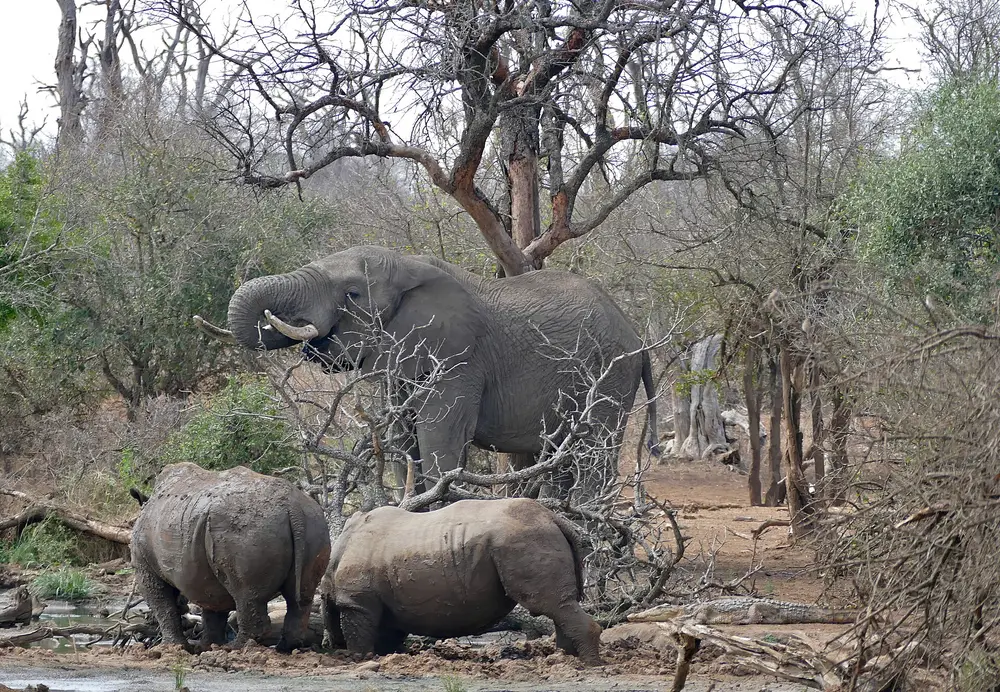
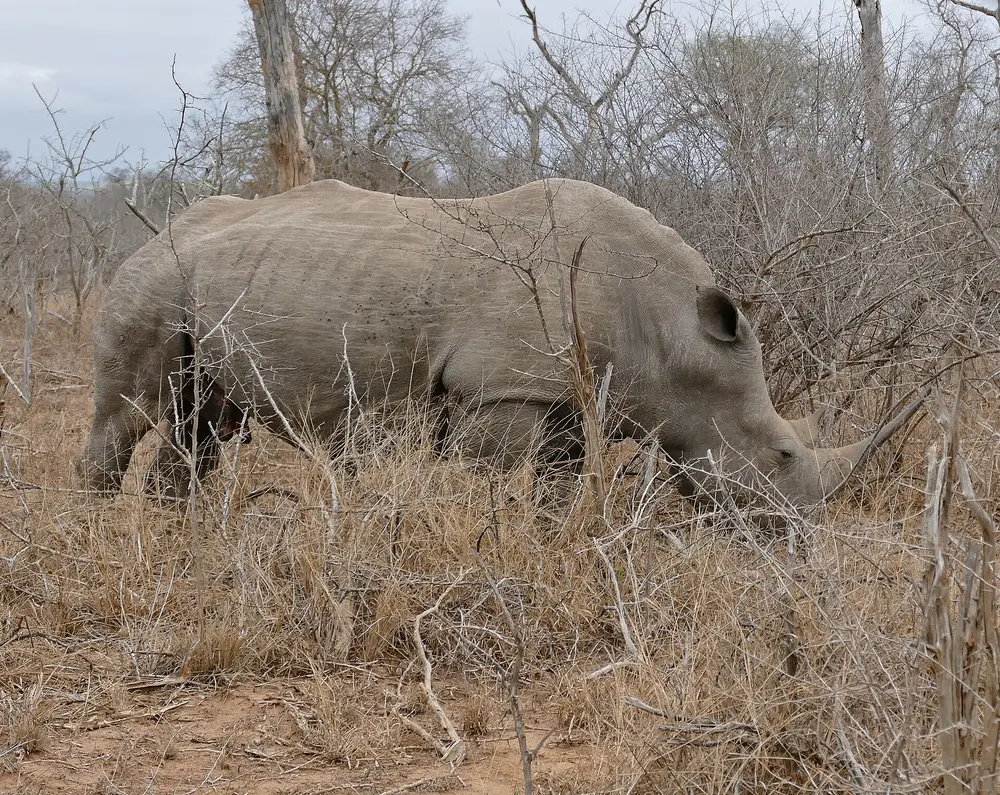
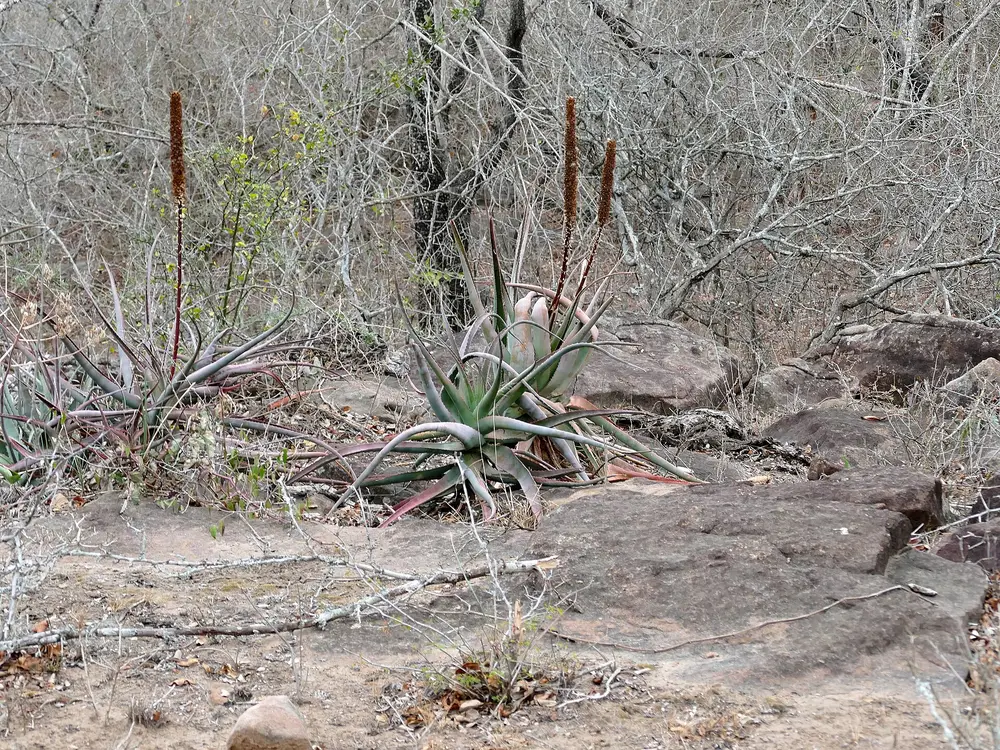
Run by the Eswatini National Trust Commission, Mlawula covers about 16,500 ha from the dry knobthorn savanna of the Siphiso valley up to the Lubombo escarpment. It is a naturalist's reserve: about 350 bird species (of nearly 500 recorded in Eswatini) including African finfoot, African broadbill and bateleur; over 60 mammal species; 21 frogs, 39 fish and rare reptiles such as the Lubombo flat lizard; and about 1,035 plant species — among them near-pure stands of Lubombo ironwood and a cycad found nowhere else in the world.
Because there are no elephants or lions, visitors may walk the 10 trails (1.5 km to a full day) without a guide. There are also 54 km of game-viewing roads and night-drive tours. Gates are open 6:00 AM – 6:00 PM.
Shewula Mountain Camp
On the Lubombo ridge above Mlawula, Shewula Mountain Camp is owned and run by the local Shewula community. Rondavels and simple rooms sit on the escarpment edge with views east across the plains to Mozambique. Community guides lead walks to the Mbuluzi River gorge and village visits, and the camp is a good example of community-based tourism in Eswatini. Facilities are simple; check current availability before you go.
Mbuluzi Game Reserve and private lodges
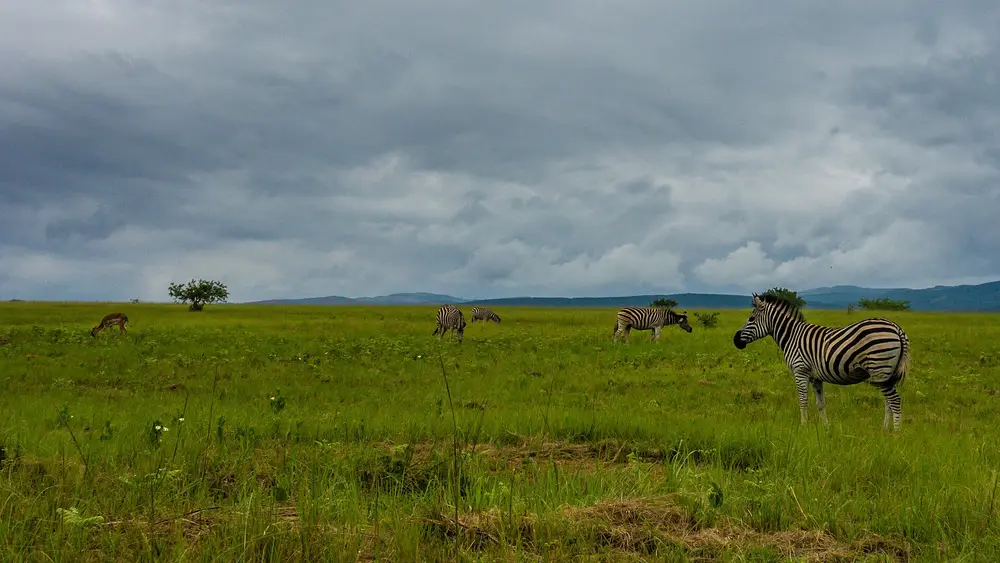
Bordering Mlawula, privately owned Mbuluzi Game Reserve has self-catering lodges by the Mbuluzi River and a campsite, with giraffe, zebra, wildebeest and antelope, and excellent birding. Mlawula's ESara Camp — six air-conditioned chalets with electricity — overlooks Mbuluzi. These make comfortable bases for walking and birding.
Siteki and the plateau
The small town of Siteki on the Lubombo plateau has a lively market and views over the lowveld. Its name is traditionally explained as 'place of marriage', from the time when King Mbandzeni's soldiers were given permission to marry here. It's a pleasant stop on the way from Manzini to the east.
A day in the Lubombo
- Dawn — walk a Mlawula trail into the escarpment gorges before the heat.
- Morning — birding along the river for finfoot and broadbill.
- Afternoon — drive up to Shewula for views over Mozambique and a community walk.
- Evening — night drive at Mlawula (book ahead) or a quiet evening at ESara Camp.
Where to stay
Inside Mlawula: Siphiso Campsite (12 sites), Mapelepele Cottage (sleeps 8) and ESara Camp (six chalets). Next door: Mbuluzi lodges and Shewula Mountain Camp. Booking details are on where to stay in the Lubombo.
Mlawula Nature Reserve (ESara Camp)
LubomboMlawula's ESara chalets (air-conditioned) plus campsite and cottage — book via the ENTC; Booking.com search shown.
Find on Booking.comShewula Mountain Camp
LubomboCommunity-owned camp on the Lubombo escarpment with views into Mozambique.
Find on Booking.comSee all hotels in Lubombo on Booking.com
Hotel links go to Booking.com, where you see live prices and availability. We do not list prices because they change daily; VisitEswatini.com may earn a commission.
Getting there and when to go
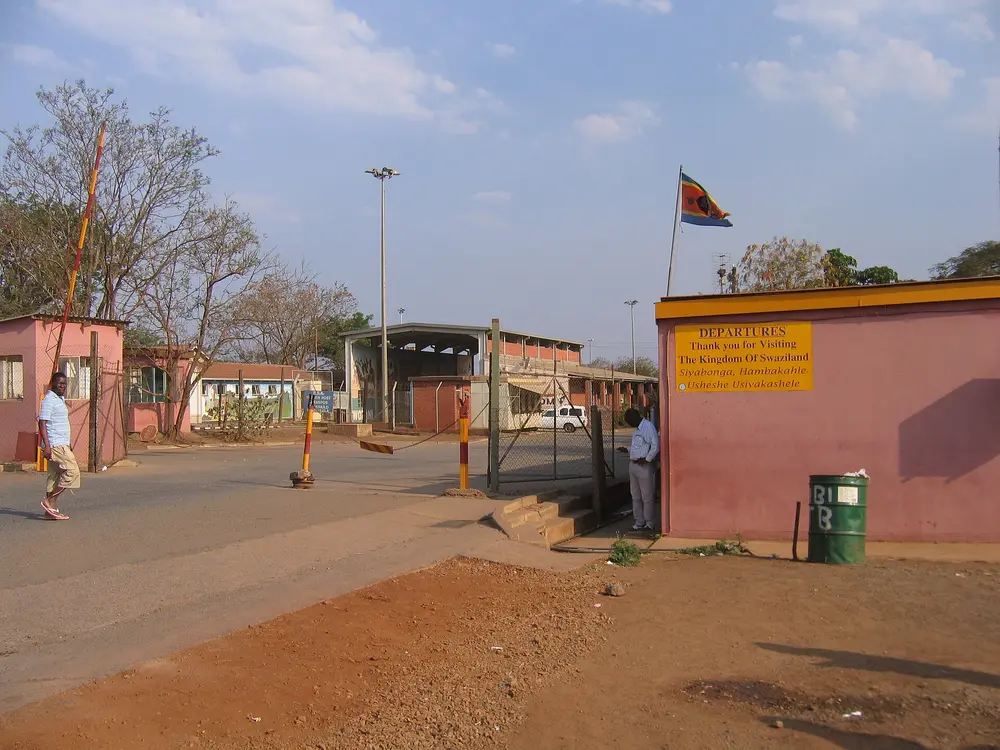
Mlawula's gate is off the road between Simunye and the Lomahasha border, about 1¼ hours from Manzini and 20–30 minutes from Hlane. Winter (May–September) is the most comfortable for walking; summer is very hot but superb for birds. See getting there and when to go.
Mlawula in numbers (ENTC)
The ENTC describes Mlawula as about 16,500 ha, with the Lubombo Mountains along its boundary, 54 km of roads for game viewing and 10 walking trails from 1.5 km to a full day. Its checklists include about 350 bird species (of just under 500 for Eswatini), more than 60 mammal species (no elephant or lion), 21 frog and toad species, 39 fish species and about 1,035 plant species. Gates are open 6:00 AM–6:00 PM. Night drives in specially designed vehicles run with expert guides; book with the ENTC.
Who the Lubombo suits
Hikers who want to walk unguided in wild country — Mlawula has no elephant or lion. Birders chasing African finfoot, African broadbill and lowveld raptors. Travellers heading to Mozambique, for whom the Lubombo is the last stop before Lomahasha. Community-tourism fans, at Shewula Mountain Camp. It suits travellers who want the Big Five less — pair it with a Hlane game drive 20–30 minutes away.
Practicalities
Malaria: the whole Lubombo region is a CDC malaria risk area — take advice and use repellent. Heat: summer days are very hot; walk at dawn. Supplies: buy food and fuel in Manzini, Simunye or Siteki; camps are self-catering. Money: carry cash for community fees at Shewula; ENTC bookings can be made by phone, WhatsApp or online. Contacts: ENTC (+268) 7809 0340 / 7806 9552 (email via its Mlawula page).
Day trips from Maputo
Several newly listed GetYourGuide day trips from Maputo (verified November 2026) cross at Namaacha/Lomahasha and include Hlane or a cultural stop; one pairs a Hlane safari with the waterfalls at Namaacha. None goes into Mlawula, which you visit independently.
From Maputo: full-day Hlane safari and culture
A long day from Maputo combining a Hlane game drive with a cultural stop. Newly listed on GetYourGuide (no reviews yet as of November 2026) — read the listing for pickup, inclusions and park fees.
Check availabilityBook via GetYourGuideTour listings are on GetYourGuide. Prices, times and cancellation terms are shown live on each listing and can change; VisitEswatini.com may earn a commission at no extra cost to you.
Plan your visit to Lubombo
- Things to doUnguided gorge hikes, night drives, 350 bird species, community walks at Shewula and…
- ToursHow to book Mlawula's camps and night drives with the ENTC, community walks at Shewula,…
- Getting thereRoutes to Mlawula, Shewula and Siteki from Manzini, Hlane, the airport, Maputo and…
- Where to stayAir-conditioned chalets at ESara, camping at Siphiso, community rooms at Shewula and…
- When to goCool, dry winters for walking; hot, wet summers for birds and green gorges — the…
Frequently asked questions
Can you walk without a guide in Mlawula?
Yes. With no elephants or lions, the ENTC allows visitors to walk Mlawula's trails unguided.
What is special about the Lubombo Mountains?
They form Eswatini's eastern border with Mozambique, with gorges, ironwood forest, rare cycads and outstanding birdlife.
Is the Lubombo region a malaria area?
Yes. The CDC lists all of Lubombo as a malaria risk area; consult a travel clinic.
Is the Lubombo worth visiting if I have already been to Hlane?
Yes, for a different experience: unguided hiking in gorges and on the escarpment, some of Eswatini's best birding, night drives and community tourism at Shewula. Hlane is for big game; the Lubombo is for walking, birds and views into Mozambique. The two are only 20–30 minutes apart.
How do I pay at Mlawula?
Book accommodation and night drives with the ENTC by phone, WhatsApp, email or online. Day visitors pay at the gate. Carry some cash for community fees at Shewula and for small purchases in Simunye or Siteki.
Sources and official information
Facts were checked against these official sources in November 2026. Opening hours, prices and timetables change, so confirm before you go.
VisitEswatini.com is an independent guide, not the official site of the Eswatini Tourism Authority, the Government of Eswatini, Big Game Parks, the Eswatini National Trust Commission or any operator. Some links are affiliate links: tours go to GetYourGuide and hotels go to Booking.com, and we may earn a commission at no extra cost to you.