In short
- Top buys: Swazi Candles, Gone Rural basketry, Ngwenya Glass, soapstone and wood carvings, beadwork, emahiya cloth.
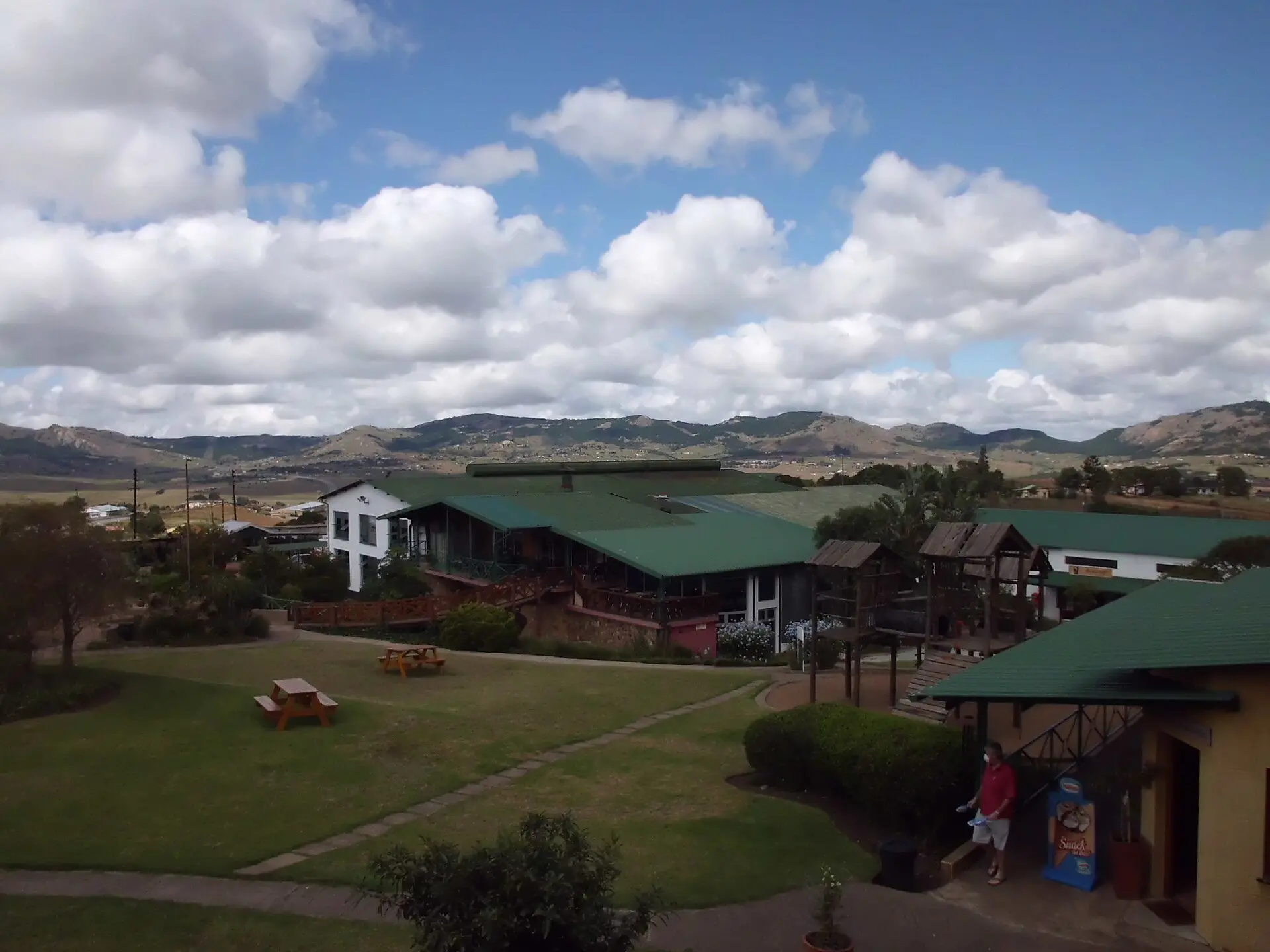
- Where: Malkerns craft trail, Ezulwini craft market, Ngwenya glass and craft centre, Manzini Market.
- Buying direct from makers supports rural communities.
What to buy
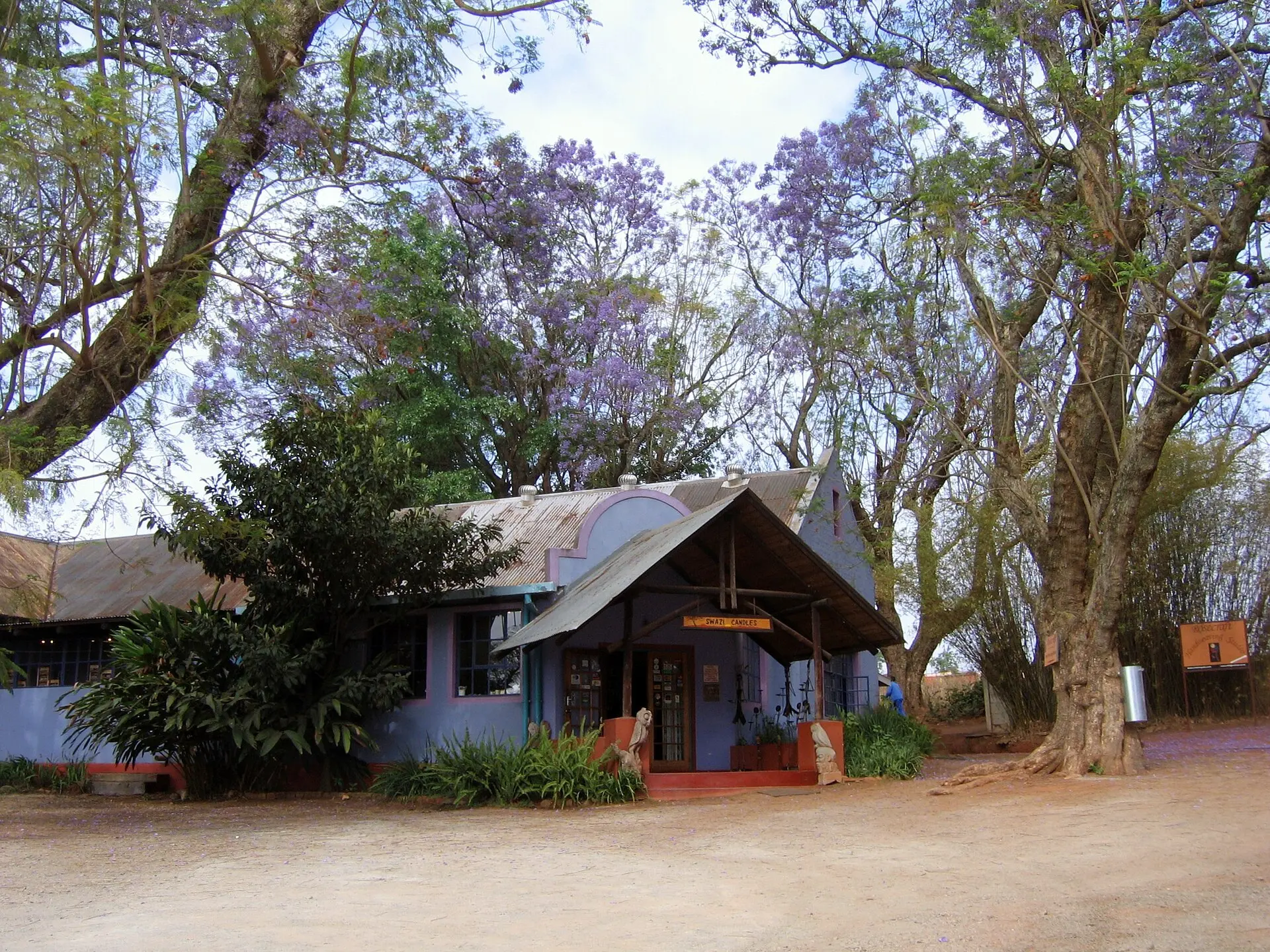
- Swazi Candles — vividly patterned candles sculpted by hand in Malkerns, often in animal shapes; you can watch the artisans at work.
- Grass basketry — sisal and lutindzi grass baskets, bowls and mats woven by rural women, many through Gone Rural, a social enterprise working with several hundred women weavers (more than 700, by its partners' accounts).
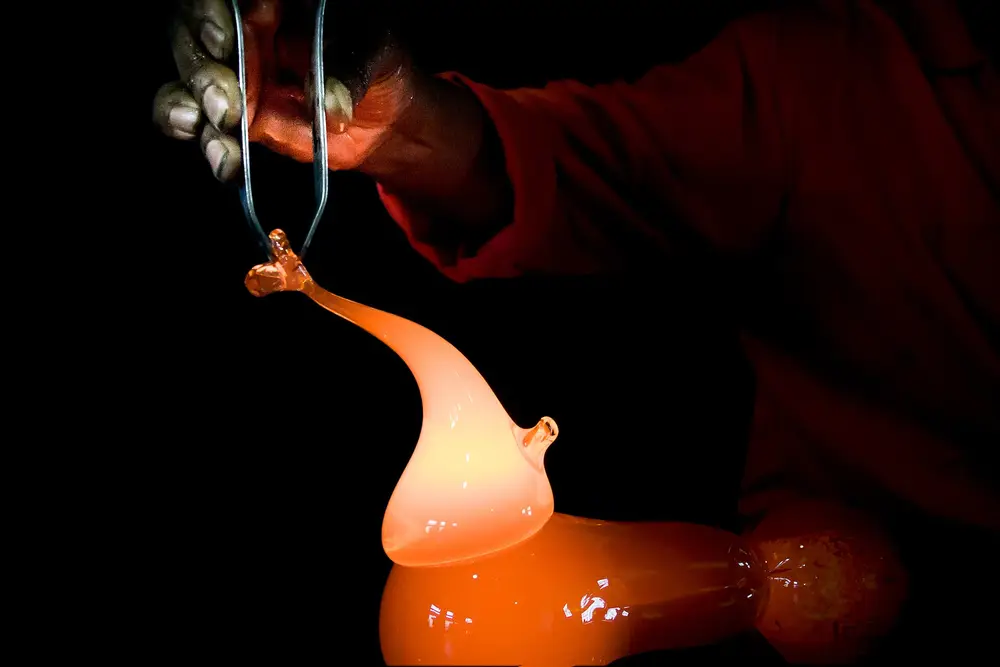
- Ngwenya Glass — hand-blown glass animals and tableware made from recycled glass near the Ngwenya border.
- Carvings — soapstone, wood and stone sculptures from roadside and market stalls.
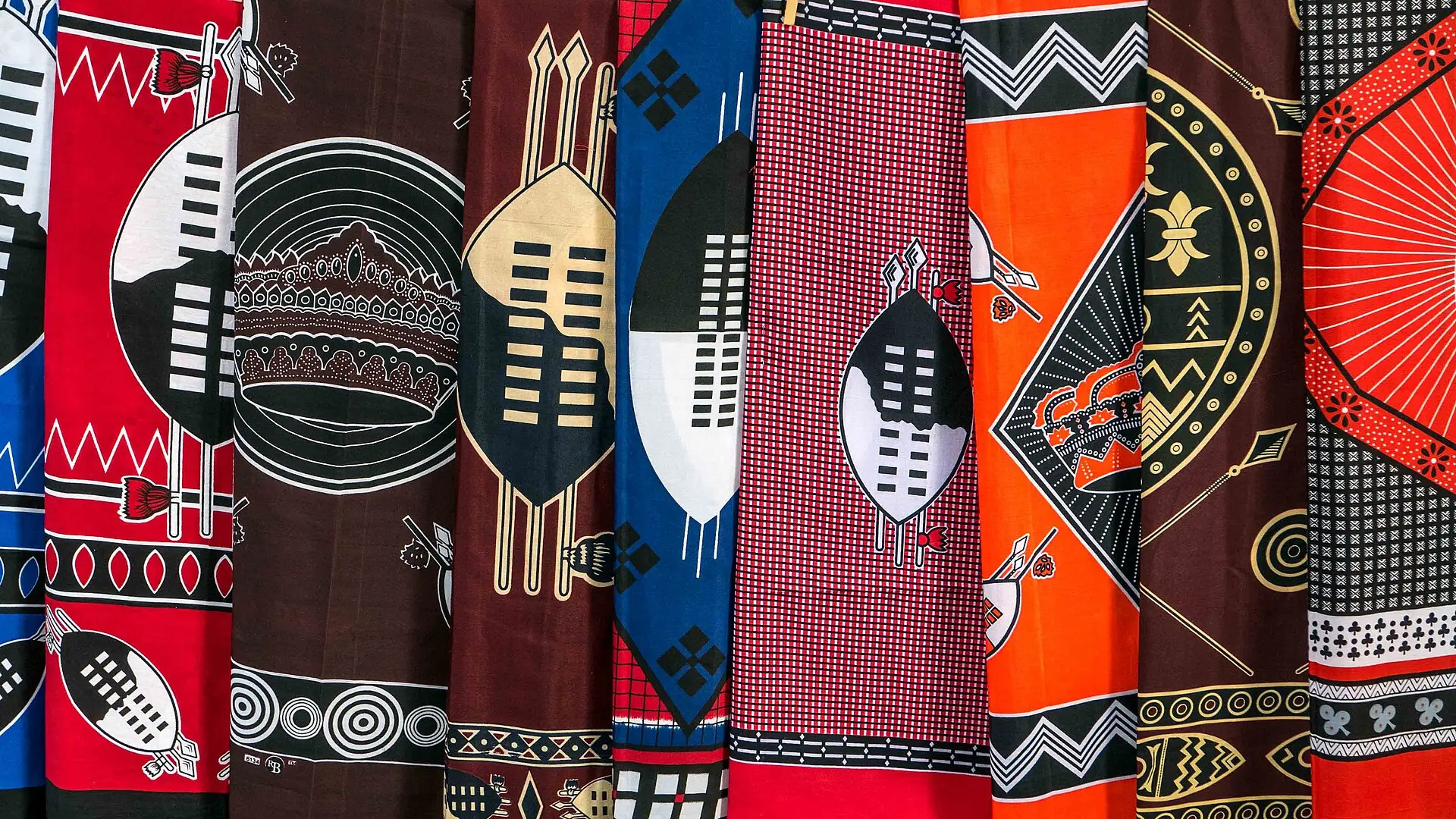
- Beadwork and emahiya cloth — the printed cloth of traditional dress, sold by the metre in markets.
- Food gifts — local honey, jams and preserves; Malkerns-grown products.
Where to shop
| Place | What you'll find | Guide |
|---|---|---|
| Malkerns craft trail | Swazi Candles, Gone Rural, House on Fire shop, cafés | Ezulwini Valley |
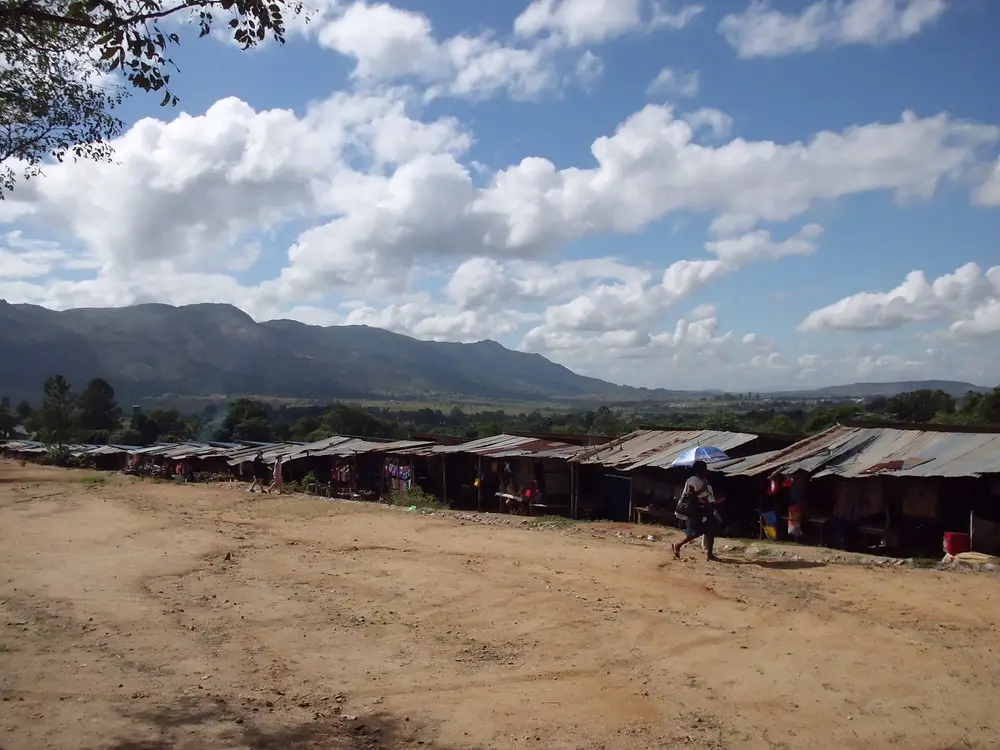
| Ezulwini craft market | Carvings, baskets, beadwork | Ezulwini Valley |
| Ngwenya Glass & craft centre | Glass, weaving, candles | Mbabane |
| Manzini Market | Baskets, carvings, emahiya, produce | Manzini |
| Mbabane malls & market | Everyday shopping, some crafts | Mbabane |
| Piggs Peak | Basketry and woodwork | Piggs Peak |
Tips
- Bargaining is mild in markets and not expected in fixed-price shops.
- Carry small notes; rand and emalangeni are both accepted.
- Ask about export rules if buying anything made from animal products or wood in large quantities — and never buy wildlife products.
- Shops in small towns close early on Saturday and many are shut on Sunday.
Swazi Candles
Founded in Malkerns in the early 1980s, Swazi Candles became one of the country's best-known brands with its technique of building colourful patterns into the wax by hand — animals, African motifs and abstract designs that glow when lit. At the workshop in Malkerns you can watch artisans shape and decorate candles, then browse the shop next door, which also sells other local crafts. The candles travel well if packed in clothing; avoid leaving them in a hot car.
Grass and sisal basketry
Swazi baskets are woven from lutindzi grass and sisal, often dyed in deep reds, ochres, greens and blues, in coiled shapes from tiny bowls to large storage baskets and placemats. Weaving fits around farming and family life, so it is an important source of income for rural women. Gone Rural in Malkerns sells contemporary designs made in partnership with weavers across the country; markets and roadside stalls sell more traditional pieces. Look for tight, even coils and colour that goes through the fibre.
Ngwenya Glass
Near the Ngwenya border, Ngwenya Glass turns recycled glass — much of it collected from communities — into hand-blown animals, drinking glasses, vases and jugs. A viewing gallery lets you watch the glassblowers working at the furnace. Rhinos, elephants and hippos are the classic souvenirs; the shop can pack fragile pieces for travel.
Markets and carvings
Soapstone and wood carvings, drums, beadwork and printed emahiya cloth are sold at the Ezulwini craft market, Manzini Market, along the main roads and at border-area stalls. Quality varies — handle pieces before you buy, and remember that some carved woods and animal products may be restricted when you get home. Buying directly from the maker or seller supports family incomes.
Everyday shopping
For supplies, Mbabane, the Ezulwini Valley, Manzini and Matsapha have modern malls and supermarkets with South African chains, pharmacies and phone shops. Smaller towns such as Piggs Peak, Siteki, Nhlangano and Simunye have basic shops. Most shops accept cards; markets and stalls prefer cash in small notes (rand or emalangeni).
Where to shop by route
Arriving from Johannesburg via Ngwenya/Oshoek: Ngwenya Glass and the craft centre are minutes from the border — a natural first stop. Then Mbabane's malls for supplies and SIM cards.
In the Ezulwini Valley: the roadside craft market for carvings, baskets and drums; then 15–20 minutes south to Malkerns for Swazi Candles, Gone Rural and House on Fire.
In Manzini: the market for baskets, printed emahiya cloth, beadwork and produce — best on weekday mornings.
In the north: basketry and woodwork in Piggs Peak and at roadside stalls on the way to Bulembu and Phophonyane.
In the lowveld: shops are limited; Simunye and Big Bend have supermarkets for park supplies.
Prices and bargaining
Fixed-price workshops and shops (Swazi Candles, Gone Rural, Ngwenya Glass, mall shops) take cards and mark prices clearly. At markets and roadside stalls, prices are usually reasonable to begin with; a little friendly negotiation on larger purchases or several items is normal, hard bargaining is not. Rand and emalangeni are both accepted at par; emalangeni are not accepted in South Africa, so spend your change before you leave.
Shopping for the Umhlanga and Incwala look
The bright printed emahiya cloth that men and women wear at ceremonies is sold by the piece in Manzini and Mbabane markets and at craft stalls. Wearing it is generally received warmly if done respectfully — ask the seller how it is tied, and avoid copying regalia (feathers, shields, royal symbols) that has specific meaning. Beadwork necklaces and bracelets are easier souvenirs that you can wear at home.
Packing and shipping crafts
Glass and candles are the fragile ones. Ngwenya Glass can pack pieces for travel; candles survive well wrapped in clothing in the middle of a suitcase, but soften in a hot car, so do not leave them on the back seat in the lowveld. Large baskets nest inside one another and pack flat-ish. For bulky items, ask larger shops whether they ship internationally — some do, but terms and prices vary. Keep receipts in case customs at home ask about value.
What not to buy
Never buy ivory, rhino horn, pangolin scales, skins of protected species, or live animals and plants taken from the wild — they fuel the poaching that Eswatini's reserves fight daily, and are illegal to export and import. Be cautious with large hardwood carvings and seeds or plant material; many countries restrict them. If in doubt, choose basketry, glass, candles, cloth or beadwork.
Everyday shopping hours
Town shops generally open on weekdays from morning to late afternoon, close early on Saturday and are often shut on Sunday, while malls in Mbabane, the Ezulwini Valley and Manzini keep longer hours and open on Sundays. Public holidays — including the King's Birthday on 19 April, Umhlanga day and Somhlolo Day on 6 September — close many businesses; see events.
Make your own craft
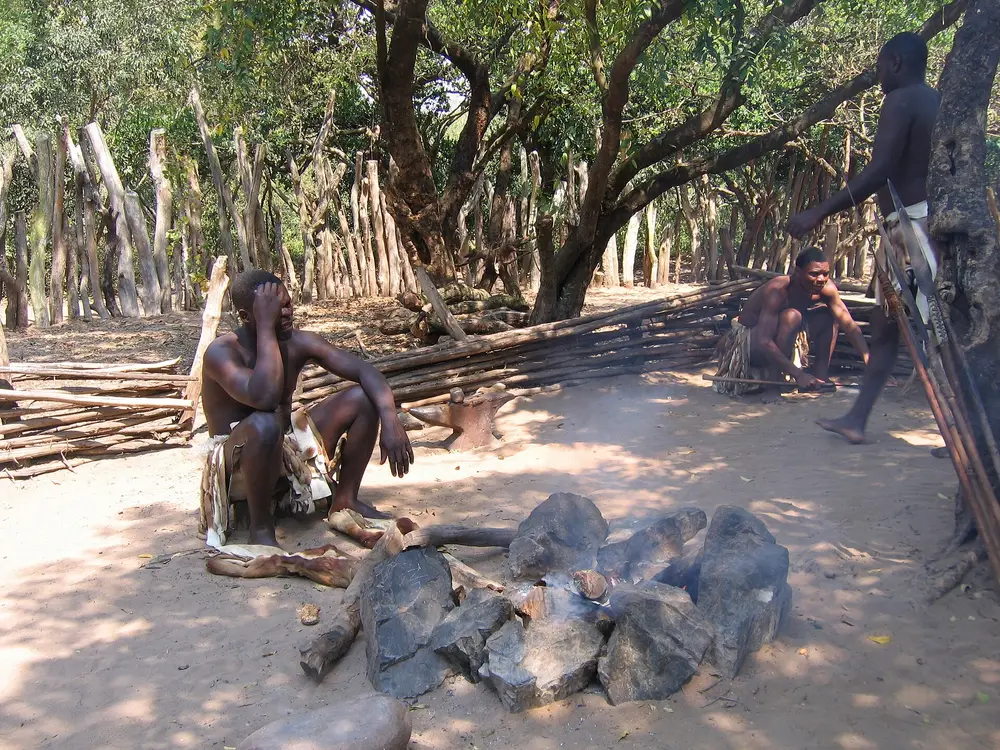
If you want to understand the work behind a basket or a necklace, a hands-on culture tour lets you try it: the newly listed private Swazi culture tour on GetYourGuide (verified November 2026) promises making, wearing and tasting. Mantenga Cultural Village also lets visitors try grass plaiting and grinding maize during their visit.
Private Swazi culture tour: make, wear and taste
A private, hands-on culture tour — crafts, traditional dress and food. Newly listed on GetYourGuide (no reviews yet as of November 2026) — read the listing for pickup, inclusions and park fees.
Check availabilityBook via GetYourGuideTour listings are on GetYourGuide. Prices, times and cancellation terms are shown live on each listing and can change; VisitEswatini.com may earn a commission at no extra cost to you.
Gone Rural, House on Fire and the Malkerns stops
Malkerns rewards a slow half day. Start at Swazi Candles, where you can watch artisans build colour into the wax, then continue to Gone Rural's shop for contemporary grass baskets, placemats and bowls made with rural weavers. House on Fire, part of the Malandela's complex, is a sculpted arts venue worth seeing even when there is no concert; the complex also has a restaurant and shops. Workshops are busiest on weekdays — the best time to see making in progress.
The farm roads around Malkerns are pretty but narrow; drive slowly and watch for pedestrians and cattle.
Shopping FAQ
Can I pay by card? In workshops, malls and most shops, yes. Markets and stalls prefer cash.
Are crafts cheaper in Eswatini than in South Africa? Usually, and you buy closer to the maker.
What is the best souvenir under a small budget? A small woven bowl, a beaded bracelet or a hand-made candle.
Buying ethically
Ask who made a piece and where; good sellers know. Pay a fair price rather than the lowest possible one — a basket can take many days to weave. Prefer social enterprises and community outlets, which return more to makers, and avoid photographing sellers or their work without asking. If you take a guided craft or village tour, check how the community benefits.
Community projects such as Nsangwini and Shewula also sell small crafts at their sites; buying there adds directly to the income that keeps these places open to visitors.
Crafts that support communities
Many of Eswatini's crafts are made by rural women working from home around farming and family duties. Social enterprises such as Gone Rural buy their weaving at fair prices and invest in community programmes; candle and glass workshops employ local artisans. When you buy at a market, from a roadside stall or from a community project such as Nsangwini or Shewula, the money goes straight to the maker. Ask who made a piece — sellers are usually proud to tell you.
Frequently asked questions
What souvenirs should I buy in Eswatini?
Swazi Candles, woven grass baskets, Ngwenya Glass, soapstone carvings and emahiya cloth.
Where is Swazi Candles?
In Malkerns, about 15–20 minutes from the Ezulwini Valley.
Sources and official information
Facts were checked against these official sources in November 2026. Opening hours, prices and timetables change, so confirm before you go.
VisitEswatini.com is an independent guide, not the official site of the Eswatini Tourism Authority, the Government of Eswatini, Big Game Parks, the Eswatini National Trust Commission or any operator. Some links are affiliate links: tours go to GetYourGuide and hotels go to Booking.com, and we may earn a commission at no extra cost to you.