- Region
- Hhohho · Highveld
- How long
- 1–2 nights
- Role
- Administrative capital of Eswatini
- Elevation
- ≈ 1,150–1,250 m — cooler and mistier than the valleys
- From the Ngwenya/Oshoek border
- ≈ 20 km, about 25 min
- From Johannesburg
- ≈ 360 km, about 4–4½ h
In short
- Mbabane is Eswatini's administrative capital, a compact highveld city about 25 minutes from the main Ngwenya/Oshoek border with South Africa.
- Its big outdoor draw is Sibebe Rock, a vast granite dome on the city's north-eastern edge, often billed as one of the largest exposed granite domes in the world — hike it with a local guide.
- Close by: Ngwenya Glass and the ancient Ngwenya Mine, the Malolotja canopy tour, and the Ezulwini Valley 15 minutes downhill.
- Good for: first or last night near the border, business trips, cooler summer weather, and supplies.
Mbabane at a glance
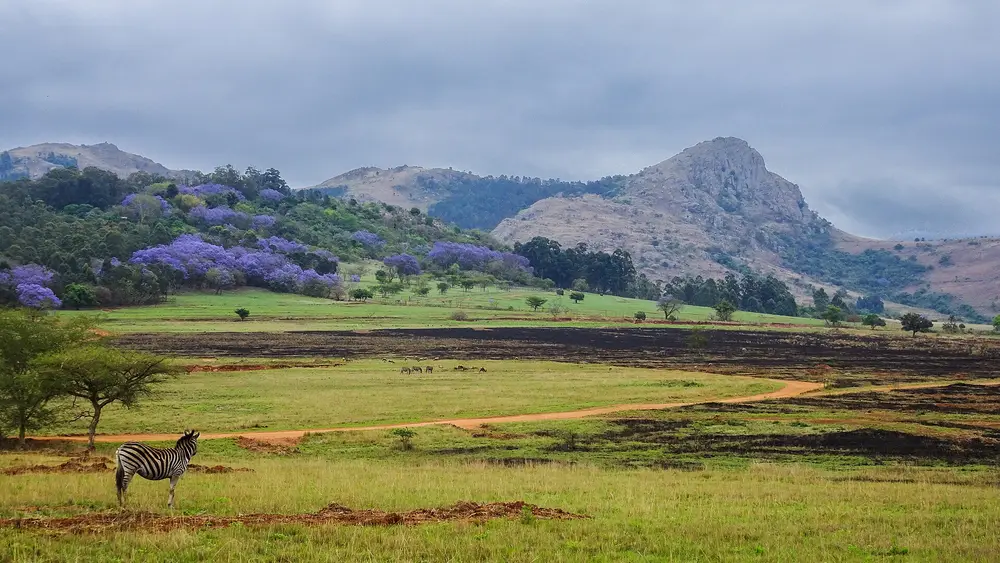
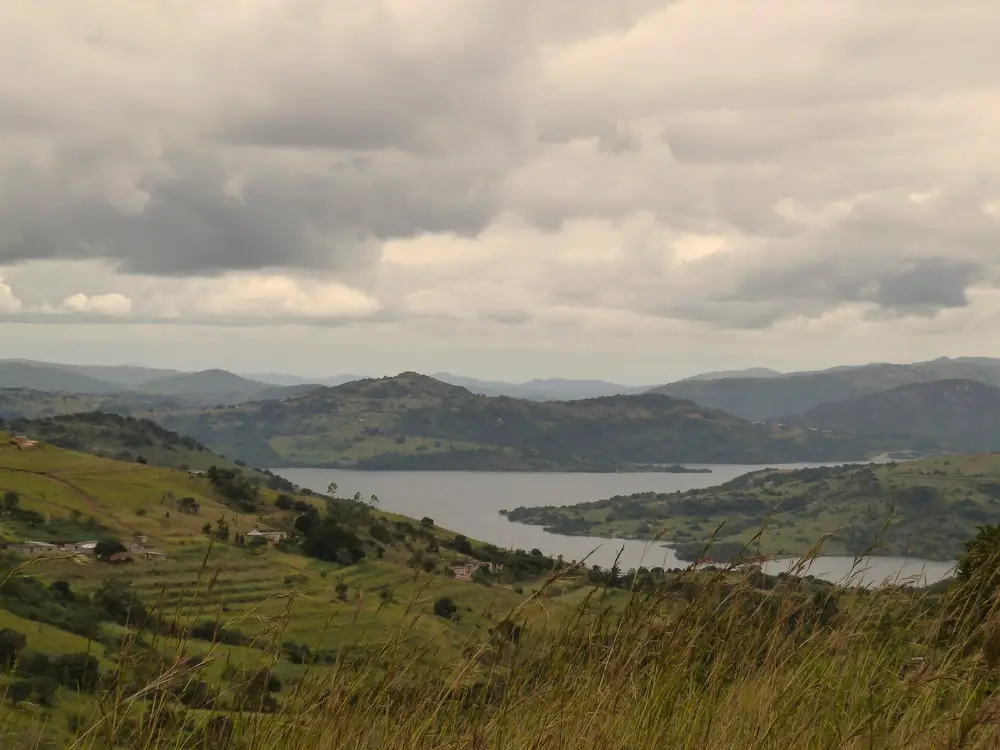
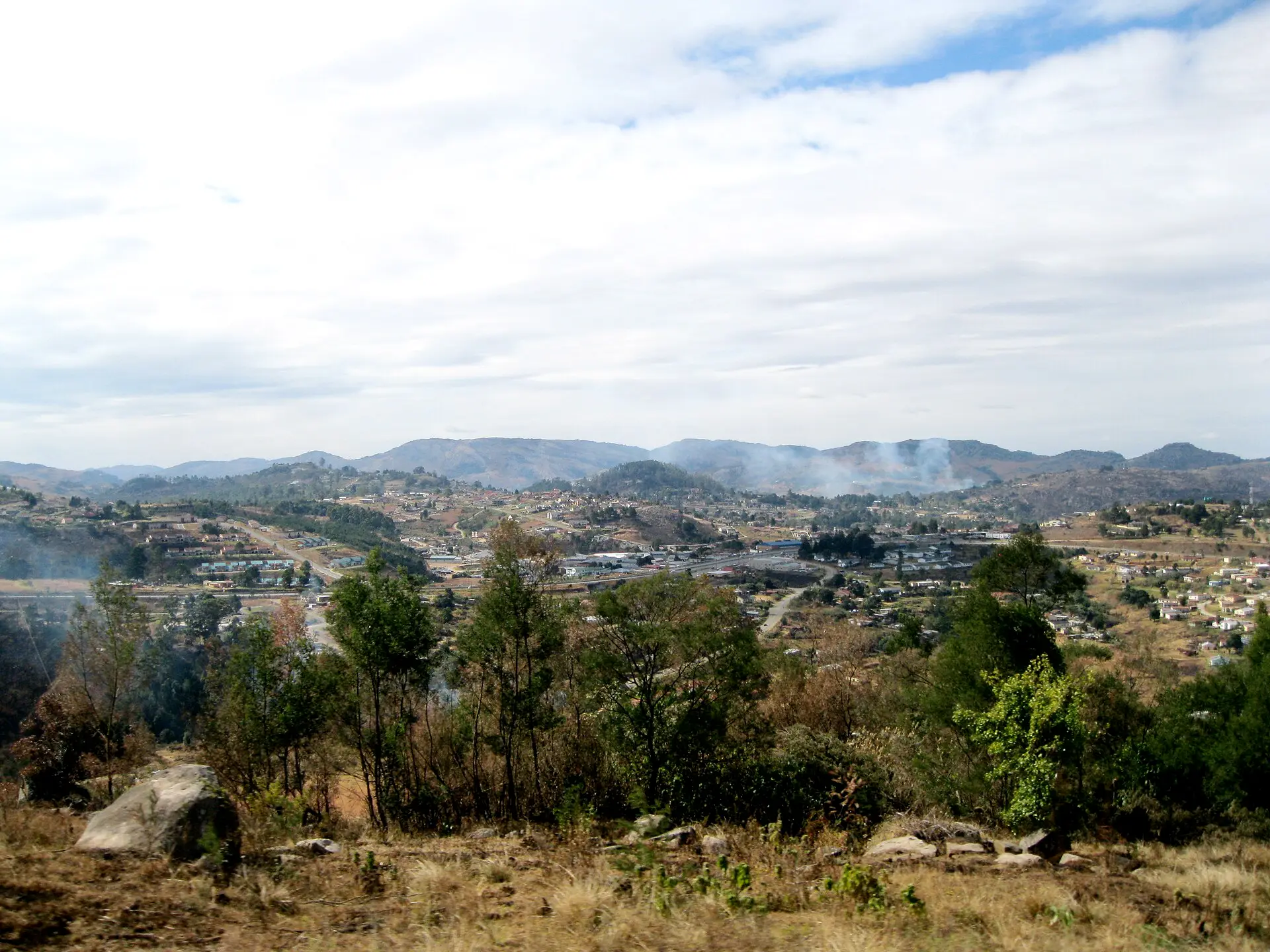
Mbabane spreads over steep hills of the Mdimba Mountains at the top of the Ezulwini Valley. As the administrative capital of the Kingdom of Eswatini (the former Swaziland), it holds government ministries, embassies, banks and the main shopping malls, and it is the first town most overland travellers reach after crossing at Ngwenya/Oshoek. It grew from a British administrative post established in the early twentieth century; the name comes from Chief Mbabane Kunene, who lived in the area.
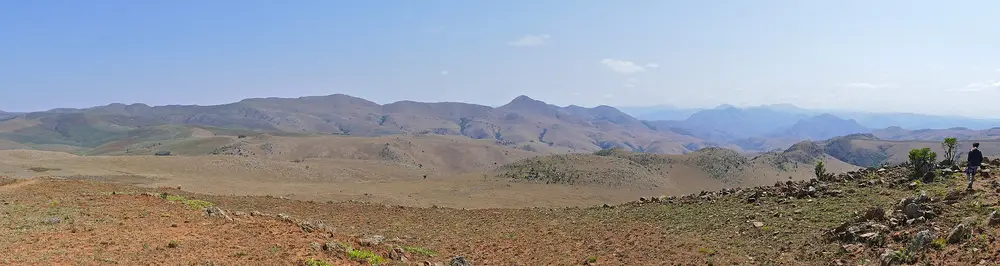
It is not a city of grand monuments. Visitors come for practical reasons — money, SIM cards, supplies, a comfortable bed after the border — and for what lies around it: the granite dome of Sibebe, the craft and glass workshops at Ngwenya, and the forests and gorges of Malolotja. The altitude keeps summers fresh and winters crisp; mist often fills the valleys in the morning.
- Population
- Roughly 95,000 (urban area)
- Main roads
- MR3 (to the border and Ezulwini), MR1 (north to Malolotja and Piggs Peak)
- Money
- ATMs in malls; lilangeni (SZL) and South African rand both accepted
Book tours in MbabaneLive times, prices and free cancellation terms on GetYourGuide.
Check availabilitySibebe Rock
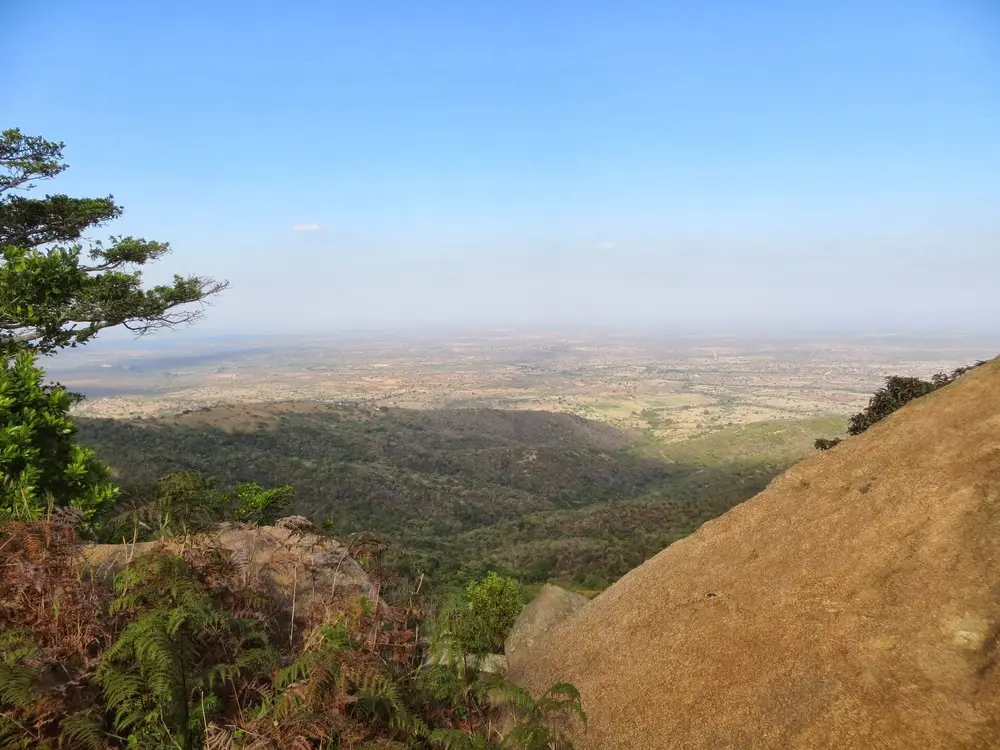
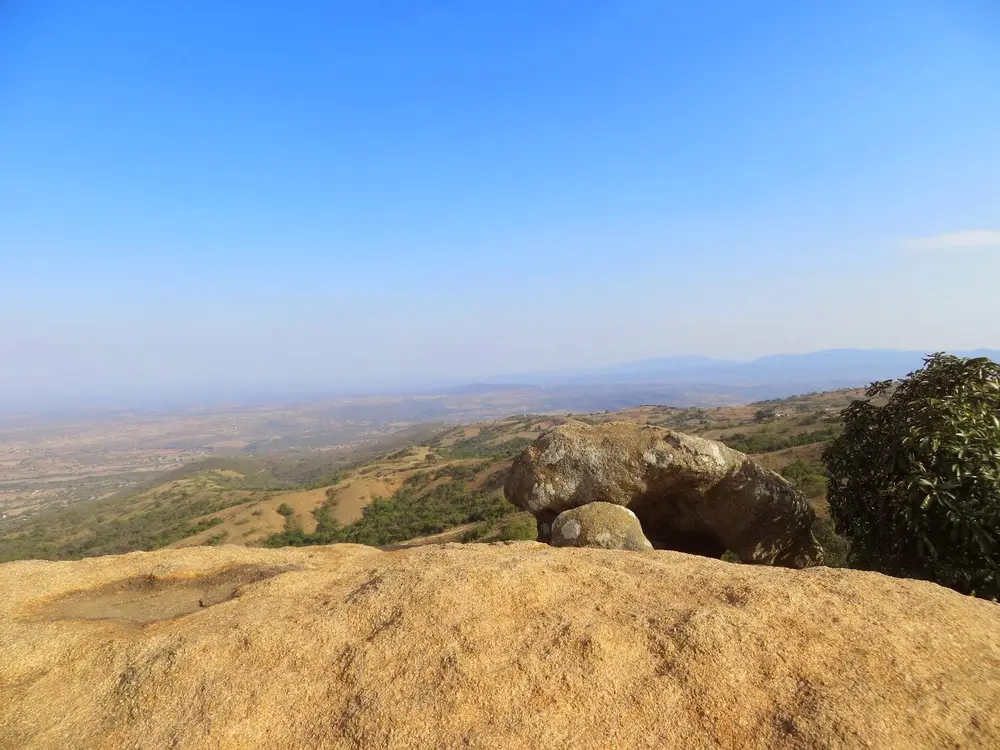
About 10 km north-east of the centre, Sibebe rises as an enormous bald dome of ancient granite above the Mbuluzi valley. It is frequently described as one of the largest exposed granite domes (plutons) in the world — figures quoted vary, so treat superlatives with caution — but there is no doubt about the experience: a climb over bare, grippy rock and grassland to wide views over Mbabane, the Pine Valley and, on clear days, far into the middleveld.
The climb is steep but non-technical. The safest approach is with a local community guide, who knows the routes, the rock art and the weather; ask your lodge or at the community trailhead. Allow 3–4 hours return, start early, wear shoes with good grip, and avoid the rock in wet weather or when thunderstorms threaten — the summit is exposed and lightning is a serious risk in summer.
Ngwenya Glass and the Ngwenya Mine
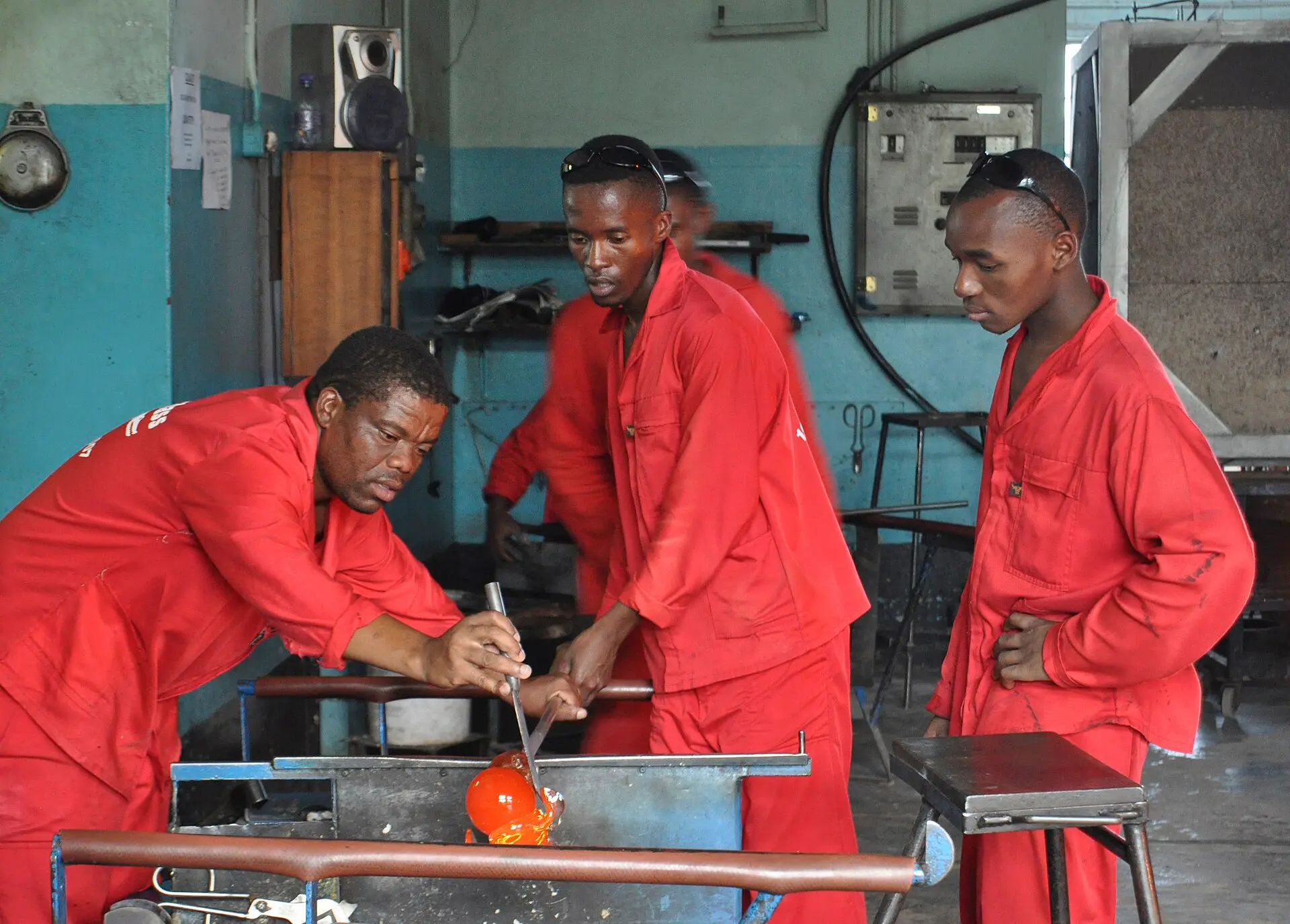
Near the border on the MR3, Ngwenya Glass makes hand-blown glass animals, vases and tableware from recycled bottles; you can watch the glassblowers from a gallery above the furnace. In the same craft cluster you'll find candle, weaving and leather studios.
A few kilometres away, inside the southern section of Malolotja Nature Reserve, the Ngwenya Mine is presented by the Eswatini National Trust Commission as the oldest known mine in the world: iron ore (red and specular haematite) was worked at Lion Cavern more than 43,000 years ago. Guided tours run 8:00 AM–4:00 PM; nominal fees apply and you may wait for a guide. See Malolotja.
In town
Mbabane's centre is small. The Mbabane market sells fresh produce, spices and crafts; the main malls have supermarkets, pharmacies, banks and phone shops (handy for an Eswatini MTN or Eswatini Mobile SIM). Several cafés and restaurants serve good coffee and Swazi-grown produce. In the evening, take a taxi rather than walking: the UK FCDO advises against walking in central Mbabane and Manzini after dark.
Where to stay
Mbabane has the country's main international-brand hotel, Hilton Garden Inn Mbabane, plus small lodges with views. Silverstone Lodge is highly rated, and Sibebe View Villa looks towards the great rock. Many leisure travellers prefer to sleep 15 minutes away in the Ezulwini Valley. Compare on where to stay in Mbabane.
Hilton Garden Inn Mbabane
MbabaneMbabane's international-brand hotel: modern rooms, restaurant and easy access to the MR3 — 8.9 on Booking.com from 1,776 reviews (as of November 2026).
See on Booking.comSilverstone Lodge
MbabaneA small, highly rated lodge in the hills around Mbabane — 9.4 on Booking.com (as of November 2026).
See on Booking.comSibebe View Villa
MbabaneGuest villa with views towards Sibebe Rock, handy for an early climb — 8.7 on Booking.com (as of November 2026).
See on Booking.comSee all hotels in Mbabane on Booking.com
Hotel links go to Booking.com, where you see live prices and availability. We do not list prices because they change daily; VisitEswatini.com may earn a commission.
A day in and around Mbabane
- Early morning — guided climb of Sibebe Rock before the heat and any storms (3–4 h).
- Late morning — coffee and supplies in town; buy a local SIM and cash if needed.
- Afternoon — Ngwenya Glass and a guided visit to Lion Cavern at Ngwenya Mine (tours until 4:00 PM).
- Evening — dinner in Mbabane or drive 15 minutes down to the Ezulwini Valley before dark.
Getting there
From Johannesburg, drive about 4–4½ hours via the Ngwenya/Oshoek border; shuttles also run from OR Tambo airport. From King Mswati III International Airport allow about 1¼ hours. From Kruger, come in via Jeppe's Reef/Matsamo and Piggs Peak. See getting to Mbabane and our border guide.
When to go
Mbabane's highveld climate is mild: summer days are warm with frequent afternoon storms and mist, winter days sunny and cool with cold nights, sometimes frost. Spring and autumn (September–October, April–May) are the most pleasant for hiking Sibebe. See when to visit Mbabane.
Mbabane for different travellers
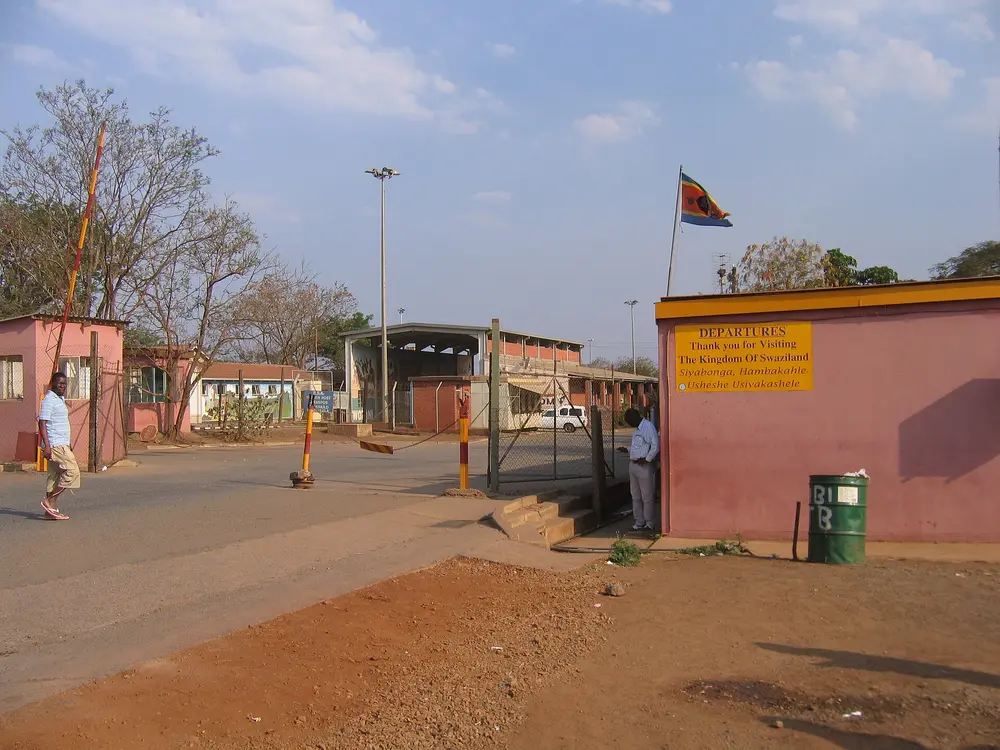
Overlanders from Johannesburg use Mbabane as the first stop: the Ngwenya/Oshoek border is about 25 minutes away, and the malls have everything you need — ATMs, SIM cards, groceries and fuel — before you head into the parks.
Hikers base themselves here or in the Pine Valley for an early start on Sibebe Rock and quick access to Malolotja (about 35 minutes up the MR1).
Culture seekers can be in the Ezulwini Valley in 15–20 minutes for Mantenga's 11:15 AM show, the National Museum and Malkerns.
Business travellers have the Hilton Garden Inn and good mall restaurants, with government offices and embassies in town.
Guided tours from Mbabane
If you prefer a guide, several Mbabane-based experiences are listed on GetYourGuide (verified November 2026). The Mbabane city tour is the best-reviewed, rated 4.9/5 from 13 reviews as of November 2026; newly listed options include a market walk with tea tasting and two guided Sibebe Rock climbs. Compare them on Mbabane tours.
Mbabane city tour
A guided look at the capital — rated 4.9/5 from 13 reviews on GetYourGuide (as of November 2026). Good for a first afternoon after crossing at Ngwenya/Oshoek.
Check availabilityBook via GetYourGuideSibebe Rock guided tour from Mbabane
A guided climb of Sibebe, the giant granite dome on Mbabane's edge. Newly listed on GetYourGuide (no reviews yet as of November 2026) — read the listing for pickup, inclusions and park fees.
Check availabilityBook via GetYourGuideTour listings are on GetYourGuide. Prices, times and cancellation terms are shown live on each listing and can change; VisitEswatini.com may earn a commission at no extra cost to you.
Mbabane FAQ for first-timers
Is it worth staying in Mbabane? For a night, yes — especially after a late border crossing or before a Sibebe hike. For longer stays most leisure travellers prefer the Ezulwini Valley.
Where do I get cash and a SIM card? In the malls: banks, ATMs and Eswatini MTN or Eswatini Mobile shops (bring your passport to register a SIM).
Plan your visit to Mbabane
- Things to doClimb Sibebe Rock, watch glassblowers at Ngwenya, explore the world's oldest known…
- ToursHow to book a Sibebe guide, the Malolotja canopy tour and Ngwenya Mine visits, and what…
- Getting thereRoad routes, shuttles and drive times to Mbabane from Johannesburg, King Mswati III…
- Where to stayFrom the Hilton Garden Inn to lodges with views of Sibebe — the best places to stay in…
- When to goCool, misty summers with storms and crisp, sunny winters with frosty nights — Mbabane's…
Frequently asked questions
Is Mbabane the capital of Eswatini?
Mbabane is the administrative capital; Lobamba is the royal and legislative capital.
Can you climb Sibebe Rock?
Yes. It is a steep, non-technical hike of about 3–4 hours return. Go with a local guide and avoid wet or stormy weather.
Is Mbabane safe?
Generally calm, with petty crime. Keep valuables out of sight and avoid walking in the centre after dark, as the UK FCDO advises.
How far is Mbabane from the South African border?
About 20 km — 25 minutes from the Ngwenya/Oshoek border post.
Sources and official information
Facts were checked against these official sources in November 2026. Opening hours, prices and timetables change, so confirm before you go.
VisitEswatini.com is an independent guide, not the official site of the Eswatini Tourism Authority, the Government of Eswatini, Big Game Parks, the Eswatini National Trust Commission or any operator. Some links are affiliate links: tours go to GetYourGuide and hotels go to Booking.com, and we may earn a commission at no extra cost to you.