In short
- Best overall: May–September — dry, sunny, mild days, cool to cold nights; best game viewing.
- Summer: November–March — warm to hot, humid, afternoon thunderstorms; lush scenery and birds.
- Highveld (Mbabane, Malolotja) is cool and misty; lowveld (Hlane, Mkhaya) is hot. Malaria risk mainly in the lowveld.
- Plan around Umhlanga (late Aug/early Sep) and South African school holidays.
Eswatini's two seasons
Eswatini lies in the southern hemisphere, so its seasons are the reverse of Europe's and North America's. Most rain falls in summer (roughly October/November to March), often as dramatic afternoon thunderstorms, sometimes with hail, especially on the highveld. Winter (May to August/September) is dry, sunny and settled, with warm days and cold nights. Spring and autumn are short and pleasant.
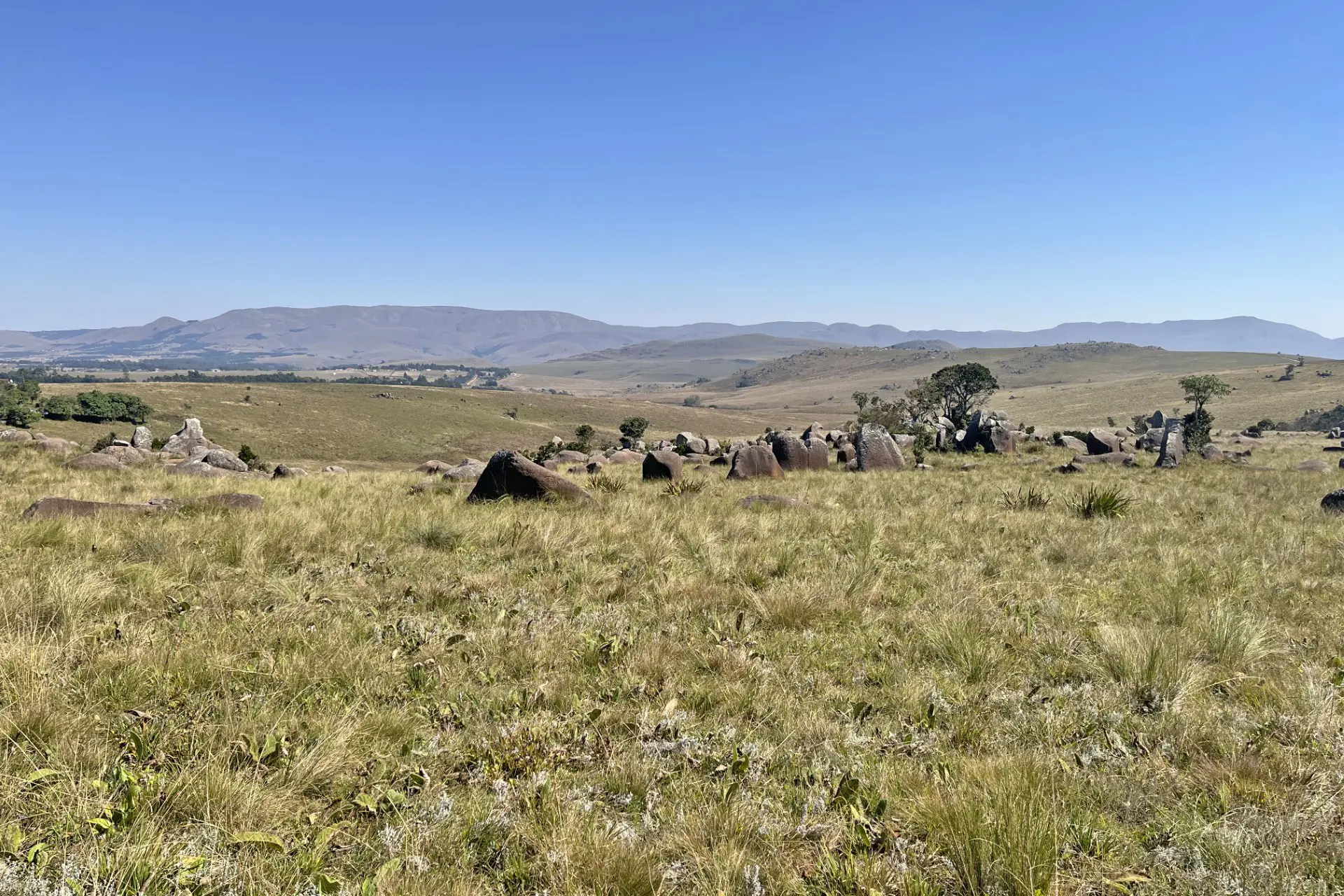
Altitude matters more than latitude. The western highveld around Mbabane and Malolotja (over 1,000 m) is coolest, often misty, and can see frost on winter nights. The central middleveld (Ezulwini, Manzini) is warmer and greener. The eastern lowveld (Hlane, Mkhaya, Big Bend) is hot — summer afternoons regularly exceed 35 °C — while the Lubombo plateau is a little cooler again.
Month by month
| Month | Highveld (Mbabane) | Lowveld (Hlane) | Travel notes |
|---|---|---|---|
| January | Warm, wet, misty | Very hot, humid, storms | SA holidays end mid-Jan; Incwala season |
| February | Warm, wet | Very hot, wet | Quiet; lush |
| March | Mild, rains easing | Hot | Easter (some years) |
| April | Mild, drying | Warm | Easter; King's Birthday 19 Apr; Flag Day 25 Apr |
| May | Dry, sunny, cool nights | Warm, dry | Excellent; festival season in some years |
| June | Dry, cold nights, frost | Mild days | Excellent wildlife; SA school holidays |
| July | Dry, sunny, cold nights | Mild, dry | Excellent; busy |
| August | Dry, windy | Warm, dry | Excellent; Umhlanga late Aug/early Sep |
| September | Warming, first storms | Hot, dry | Umhlanga; Independence Day 6 Sep |
| October | Warm, storms | Hot | Green flush; SA holidays early Oct |
| November | Warm, wet | Hot, storms | Quiet; antelope births |
| December | Warm, wet | Hot, wet | Christmas peak; Incwala begins |
Best time for…
- Safari: May–September, when animals gather at water in Hlane and Mkhaya and the bush is thin.
- Hiking: April–May and September–October; winter is clear but cold at night.
- Birding: November–March, when migrants arrive.
- Waterfalls: December–March (Mantenga, Phophonyane, Malolotja).
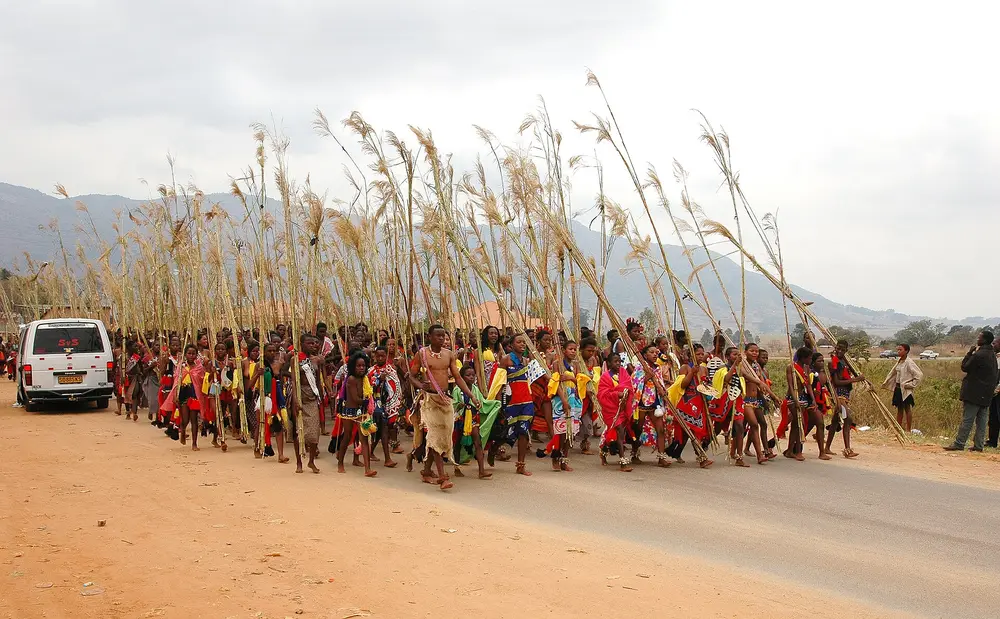
- Culture: late August–early September (Umhlanga) and December–January (Incwala).
- Fewer crowds: May and November, outside South African school holidays.
Weather hazards
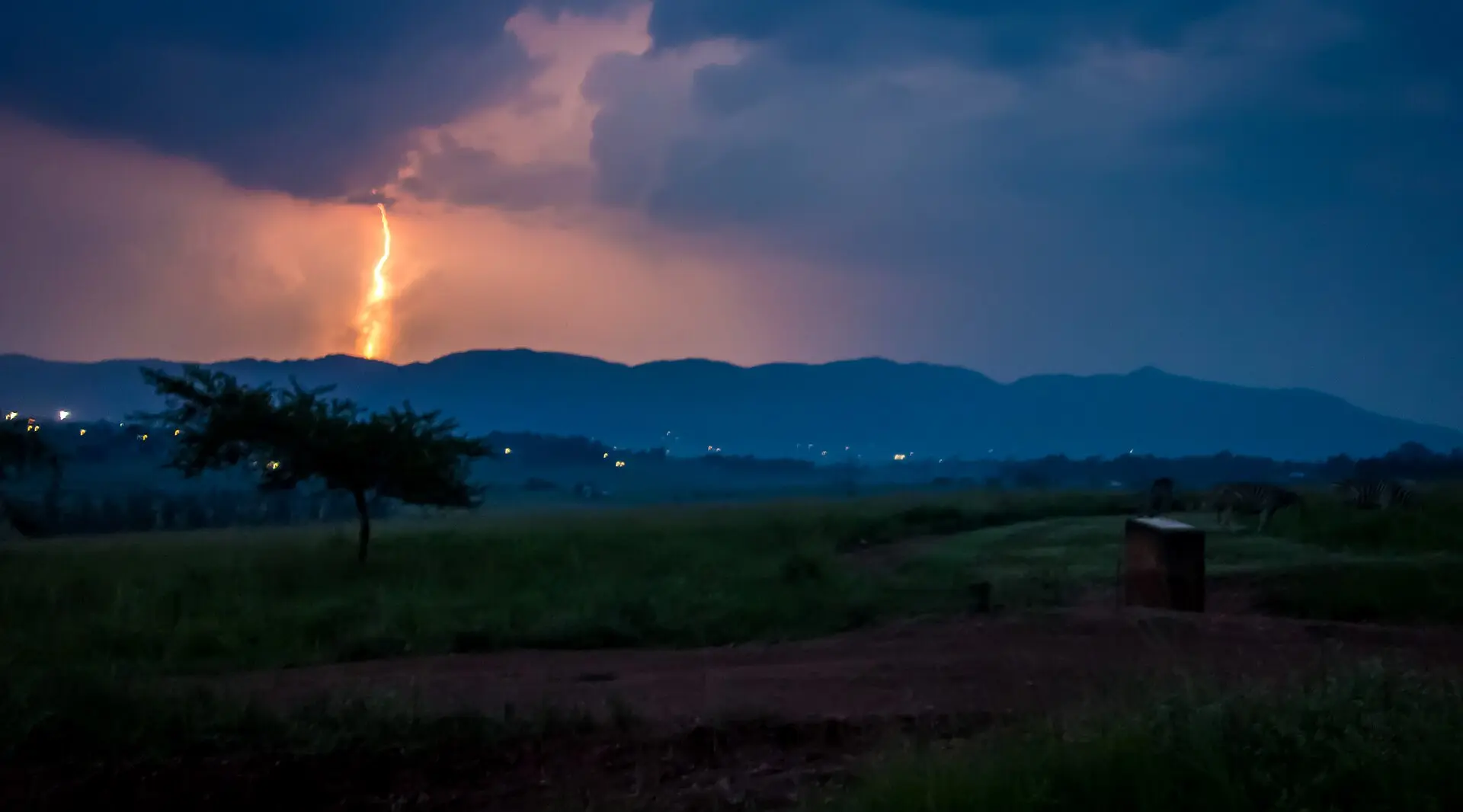
From November to April, violent thunderstorms with lightning, heavy rain and hail are common, especially on the highveld, and can cause flooding and damage roads (UK FCDO). Plan outdoor activities for the morning, keep off exposed ridges when storms build, and never cross flooded rivers. In winter, highveld nights can drop below freezing — pack layers.
What to pack by season
- Summer (Nov–Mar): light clothing, rain jacket, sun hat, high-SPF sunscreen, insect repellent; sandals plus walking shoes.
- Winter (May–Aug): warm jacket, fleece, hat and gloves for highveld evenings and early game drives; layers for warm afternoons.
- All year: binoculars, torch, refillable water bottle, modest clothing for ceremonies and rural areas.
Rainfall by park
The parks' own figures show how sharply rainfall falls from west to east. Big Game Parks gives average annual rainfall of about 1,270 mm at Mlilwane in the middleveld, 890 mm at Hlane and 600 mm at Mkhaya in the lowveld. Most of it falls between November and March as afternoon storms, so mornings are often clear even in the wet season.
| Reserve | Zone | Altitude | Average rainfall |
|---|---|---|---|
| Mlilwane | Middleveld | 660–1,437 m | ≈ 1,270 mm a year |
| Hlane | Lowveld | 210–330 m | ≈ 890 mm a year |
| Mkhaya | Lowveld | 200–355 m | ≈ 600 mm a year |
| Malolotja | Highveld | Above 1,000 m (to the high peaks) | Wettest and mistiest — check before hiking |
Season by season in more detail
Spring (September–October): temperatures climb quickly, the first storms arrive and the lowveld bush is at its driest — good game viewing before the rains. Umhlanga often falls in early September; Independence Day is 6 September.
Summer (November–February): hot, humid and green, with towering afternoon thunderclouds. Lowveld afternoons regularly pass 35 °C; the highveld stays warm and misty. Birding is at its best, many antelope give birth in early summer and the waterfalls run full. December–January is South African holiday season, so the parks are busy.
Autumn (March–April): rains taper off, the grass is tall and the light is clear. Easter weekends are busy; otherwise it is quiet and pleasant.
Winter (May–August): dry, sunny and settled — the classic travel season. Days are warm in the lowveld and mild on the highveld, but nights can drop close to freezing at altitude. Game concentrates around water at Hlane and Mkhaya. June–July school holidays fill the parks.
Is it ever too hot or too wet to travel?
Eswatini is a year-round destination, but a few periods need extra planning. In January and February, lowveld heat and humidity make midday activity draining, and heavy storms can flood low-water bridges and make dirt roads in Hlane and Mlawula slippery — Big Game Parks notes that Hlane's clay soils become tricky in the rainy season. Mkhaya warns that vehicles may be left outside the park when its river is high. Plan game drives for early morning and late afternoon, and allow slack in your schedule.
Hikers should avoid exposed ridges in Malolotja and on Sibebe when storms build, usually after midday from November to March.
Best months by trip type
| Trip type | Best months | Why |
|---|---|---|
| Safari (Hlane, Mkhaya) | May–October | Thin bush, animals at water, cooler days |
| Hiking (Malolotja, Sibebe) | April–May, September–October | Clear air without winter cold or summer storms |
| Walking safaris and bush trails | April–September | Trails only run 1 April–30 September |
| Birding | November–March | Migrants and breeding plumage |
| Waterfalls and wildflowers | December–March | Full rivers; highveld flowers |
| Culture | Late August–early September; December–January | Umhlanga; Incwala season |
| Value and quiet | February–March, May, November | Outside South African school holidays |
Daylight and time
Eswatini keeps South Africa Standard Time (UTC+2) all year, with no daylight saving. Days are longest around December, when sunrise is roughly 5:00 AM and sunset around 6:30–7:00 PM local time, and shortest in June, when the sun rises after 6:30 AM and sets before 5:30 PM. Park gates follow daylight — Big Game Parks gates close at sunset, and Hlane gives 6:00 PM as its daily closing time — so in winter you have noticeably less time for driving between parks.
Weather and road conditions
Weather affects driving more than sightseeing. In summer, sudden downpours reduce visibility and can flood low bridges and dips on rural roads; the UK FCDO notes storms that cause flooding and damage. Gravel roads in the parks become slippery — Big Game Parks warns that Hlane's clay soils are tricky in the rainy season, and Mkhaya may leave vehicles outside the park when its river is high. Highveld mist, especially around Malolotja and the MR1, can be thick on summer afternoons and winter mornings. Drive slowly with headlights on and avoid driving after dark.
Weather FAQ
Does it snow? Very rarely, and only on the highest ground; frost is more likely on clear winter nights.
How hot does the lowveld get? Summer afternoons regularly pass 35 °C at Hlane and Mkhaya.
Is the rainy season a bad time to visit? No — mornings are often clear, the country is green, and parks are quieter outside holidays. Just plan activities early.
Climate and malaria risk
Malaria transmission follows heat and rain. The CDC lists the eastern lowveld — all of Lubombo region and the eastern parts of Hhohho, Manzini and Shiselweni — as risk areas, with the highest risk in the rainy season. The cooler highveld (Mbabane, Malolotja) and the Ezulwini Valley are outside the main risk zone. Get medical advice whatever the month if you will sleep in the lowveld.
Regional climates at a glance
| Zone | Typical places | Summer (Dec–Feb) | Winter (Jun–Aug) |
|---|---|---|---|
| Highveld (> 1,000 m) | Mbabane, Malolotja, Piggs Peak | Warm days, mist, frequent storms | Sunny days, cold nights, frost possible |
| Middleveld (≈ 400–1,000 m) | Ezulwini, Lobamba, Manzini, Malkerns | Warm to hot, humid, storms | Mild, dry, cool nights |
| Lowveld (< 400 m) | Hlane, Mkhaya, Big Bend, Simunye | Very hot (often 35 °C+), humid | Warm, dry days, mild nights |
| Lubombo plateau | Siteki, Shewula | Hot, breezy, storms | Mild, dry |
Frequently asked questions
What is the best month to visit Eswatini?
May to September for dry, sunny weather and the best wildlife; late August–early September adds the Umhlanga Reed Dance.
When is the rainy season in Eswatini?
Roughly November to March, with afternoon thunderstorms.
Does it get cold in Eswatini?
Highveld nights in June–August can be near freezing; days are usually sunny and mild.
Sources and official information
Facts were checked against these official sources in November 2026. Opening hours, prices and timetables change, so confirm before you go.
VisitEswatini.com is an independent guide, not the official site of the Eswatini Tourism Authority, the Government of Eswatini, Big Game Parks, the Eswatini National Trust Commission or any operator. Some links are affiliate links: tours go to GetYourGuide and hotels go to Booking.com, and we may earn a commission at no extra cost to you.