In short
- Eswatini is small — about 17,360 km², roughly 200 km north to south — so you can cross it in half a day.
- Three belts: the cool highveld (Mbabane, Malolotja, Piggs Peak), the green middleveld (Ezulwini, Lobamba, Mlilwane, Manzini) and the hot lowveld & Lubombo (Hlane, Mkhaya, Mlawula).
- First trip? Base yourself in the Ezulwini Valley, then add one or two nights in the lowveld parks.
How Eswatini fits together
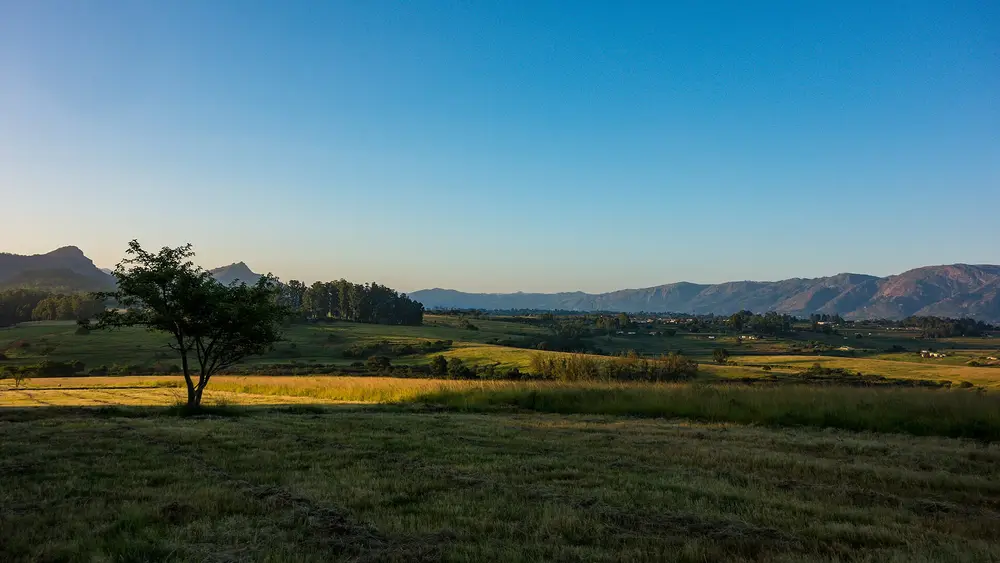
The Kingdom of Eswatini — called Swaziland until 2018 — is one of Africa's smallest countries, wedged between South Africa and Mozambique. In a day's drive you can climb from sugar-cane plains at a few hundred metres to misty grasslands above 1,500 m. Travellers usually think of it in three bands running north–south: the highveld in the west, the middleveld in the centre and the lowveld in the east, closed off by the Lubombo Mountains on the Mozambique border.
Distances are short, roads are mostly good, and the main sights cluster in a central corridor between the Ngwenya border, Mbabane, the Ezulwini Valley and Manzini. The safari parks lie an hour further east. Below, every destination has its own guide with things to do, tours, getting there, where to stay and when to go.
| Destination | Belt | Best for | Nights |
|---|---|---|---|
| Mbabane & Sibebe | Highveld | Capital, Sibebe Rock, Ngwenya | 1 |
| Malolotja | Highveld | Hiking, canopy tour | 1–3 |
| Piggs Peak | Highveld | Waterfalls, rock art, Kruger gateway | 1 |
| Ezulwini Valley | Middleveld | Culture, crafts, hotels | 2–3 |
| Lobamba | Middleveld | Museum, ceremonies | Day / Umhlanga |
| Mlilwane | Middleveld | Walking & riding with game | 1–2 |
| Manzini | Middleveld | Market, airport, transport | 1 |
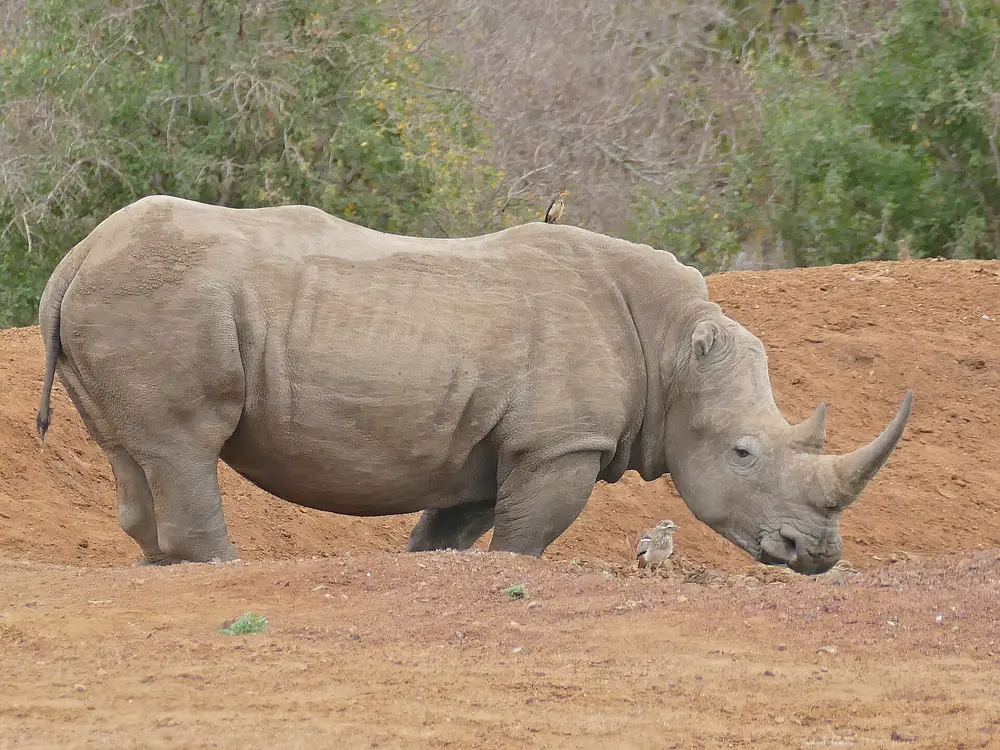
| Hlane | Lowveld | Elephants, rhino, lions | 1–2 |
| Mkhaya | Lowveld | Black rhino, guided safari | 1 |
| Lubombo | Lowveld & Lubombo | Mlawula hikes, birding | 1–2 |
Which region suits you?
Culture first? Stay in the Ezulwini Valley: Mantenga's cultural village, the National Museum at Lobamba and the Malkerns craft trail are all within half an hour, and the great ceremonies — Umhlanga and Incwala — take place here.
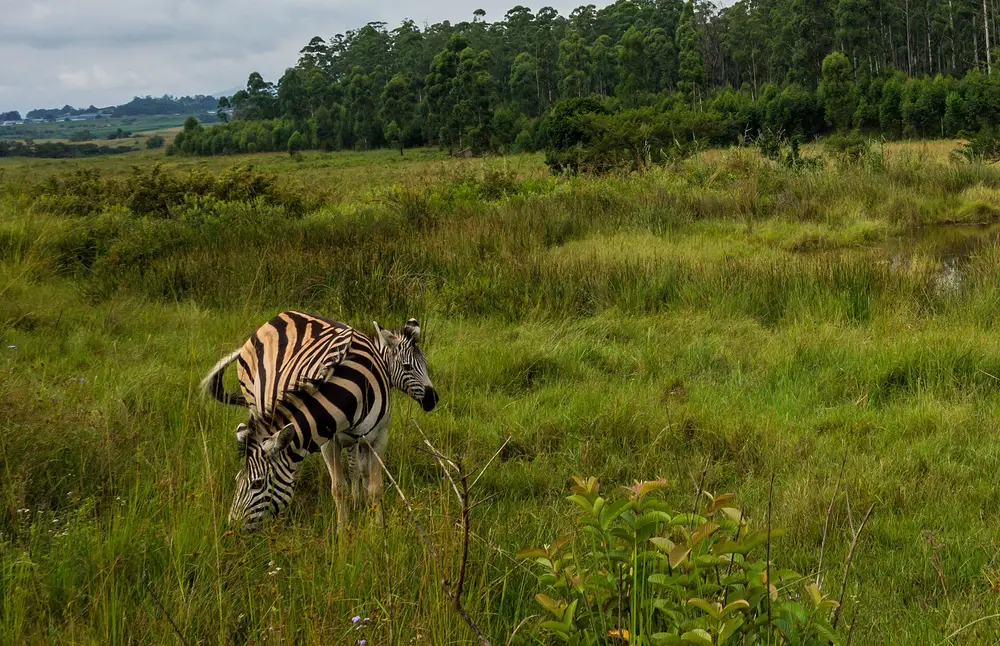
Wildlife? Spend at least two nights in the lowveld: Hlane for elephants and the waterhole, Mkhaya for rhino on foot. Mlilwane in the middleveld adds walking, cycling and horse riding among plains game.
Hiking and scenery? Head north-west to Malolotja and Piggs Peak, with Sibebe Rock near Mbabane for a half-day climb.
Overland from Kruger or to Mozambique? Enter at Matsamo for Piggs Peak and the highveld, or cross the lowveld via Hlane and the Lubombo to Lomahasha for Maputo. Our itineraries link it all together.
Hubs by theme
- Wildlife: Hlane, Mkhaya, Mlilwane, Lubombo.
- Culture & royalty: Lobamba, Ezulwini Valley, Manzini.
- Mountains & hiking: Malolotja, Mbabane & Sibebe, Piggs Peak.
- Gateways: Mbabane (from Johannesburg), Piggs Peak (from Kruger), Manzini (airport), Lubombo (Mozambique).
Southern Eswatini
The Shiselweni region in the south — around Nhlangano, Hlathikhulu and the border posts at Mahamba and Lavumisa — sees few tourists. It is a quiet, rural landscape of farms, forests and hills, crossed mainly by travellers driving between KwaZulu-Natal and central Eswatini. If you enter via Mahamba or Lavumisa, it is worth taking your time on the back roads; otherwise most visitors focus on the destinations above.
How to choose: three sample trips
Three days, culture and one safari: two nights in the Ezulwini Valley or at Mlilwane (Mantenga show, National Museum, Malkerns, a horse or bike ride among zebra), then one night at Hlane.
Five days, wildlife focus: one night at Mlilwane, a 24-hour package at Mkhaya, two nights at Hlane with a side trip to Mlawula in the Lubombo, and a last night near the Lomahasha border if you continue to Maputo.
Seven days, mountains and culture: start in the north at Piggs Peak (Phophonyane Falls, Nsangwini rock art), two nights hiking in Malolotja, Sibebe Rock from Mbabane, two nights in the valley with Lobamba and Malkerns, and one lowveld park to finish.
Highveld destinations
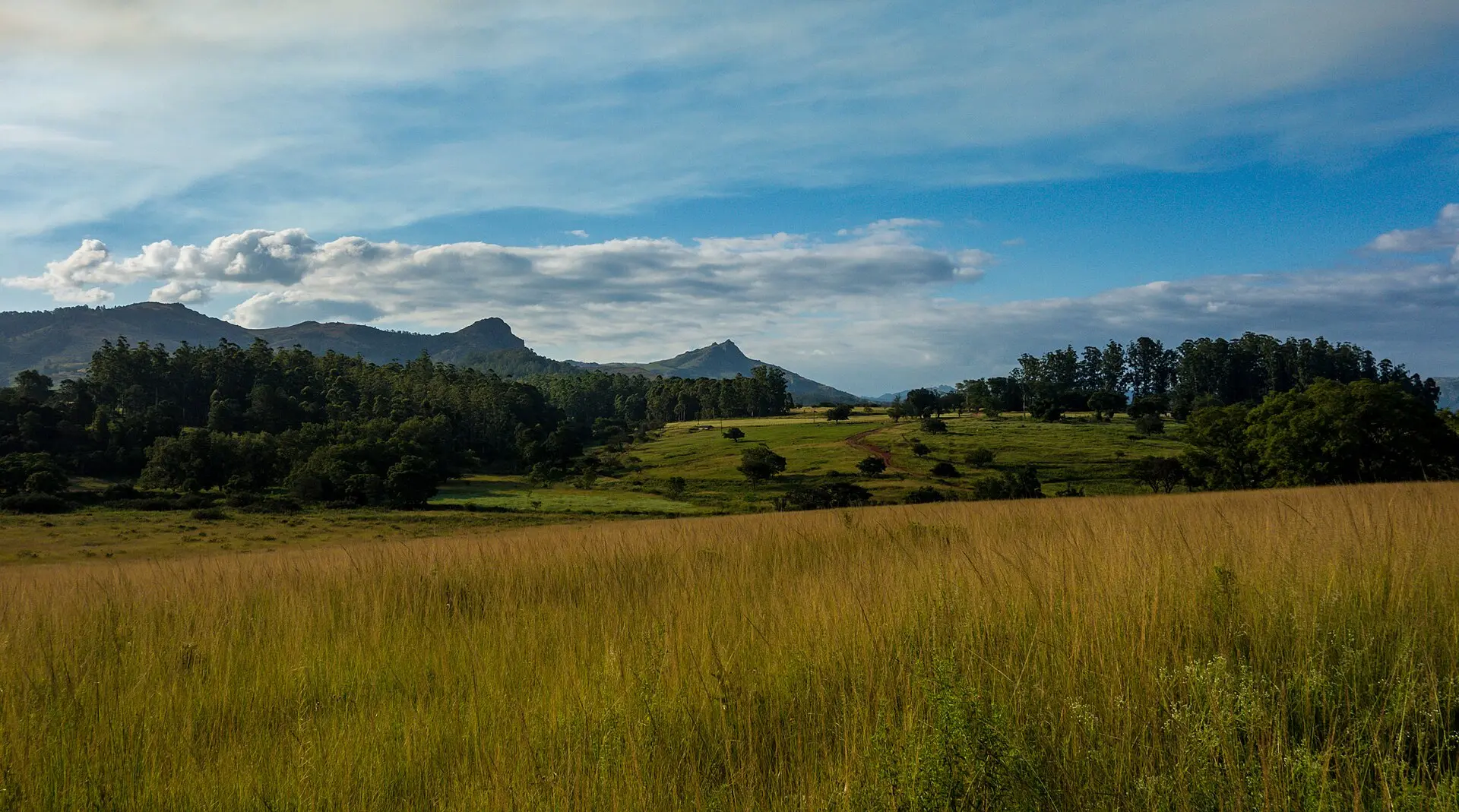
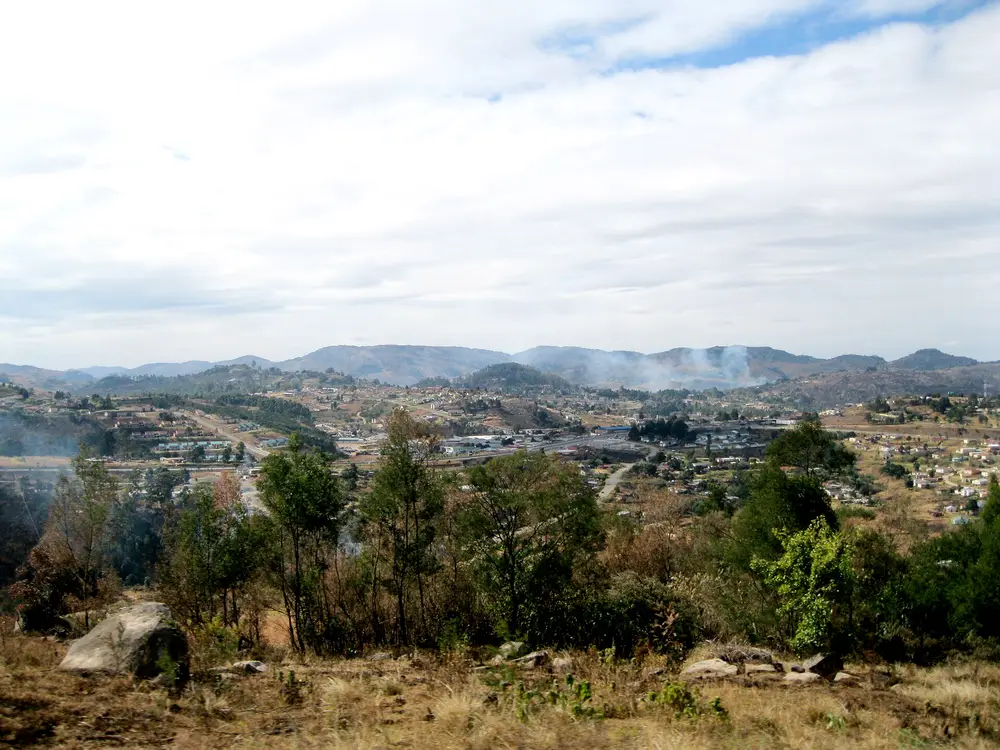
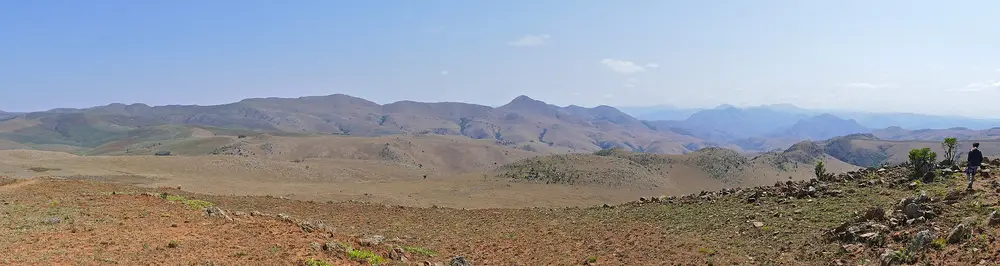
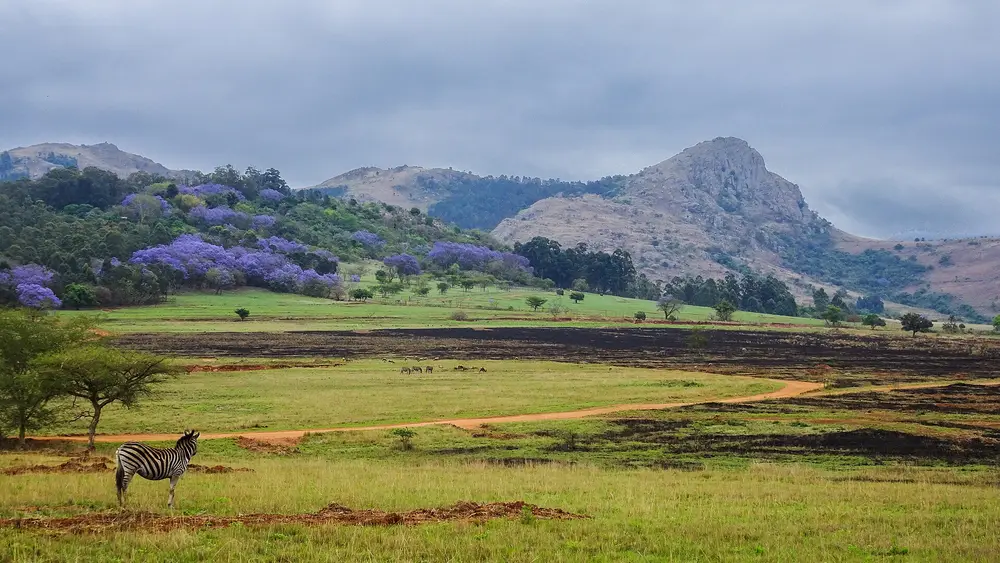
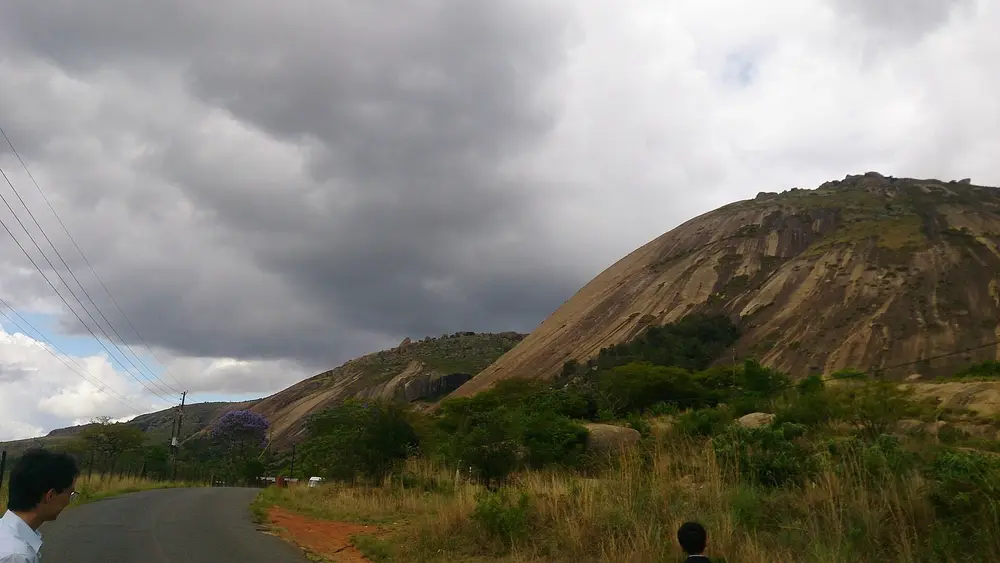
The western highveld is Eswatini's cool, green roof: rolling grassland, pine and eucalyptus plantations, granite domes and deep river gorges, mostly above 1,000 m. Mbabane, the administrative capital, is the gateway from Johannesburg via the Ngwenya/Oshoek border; on its eastern edge rises Sibebe Rock, a vast granite dome you can climb with a community guide. North-west, Malolotja Nature Reserve (about 18,000 ha, according to the ENTC) is the country's wildest protected area, with around 200 km of hiking trails, a forest canopy tour and the ancient Ngwenya iron-ore mine. Further north, Piggs Peak and Bulembu are old gold- and asbestos-mining towns surrounded by forest and waterfalls.
Expect mist and dramatic summer storms; winter nights can be close to freezing. The highveld is outside the main malaria zone.
Middleveld destinations
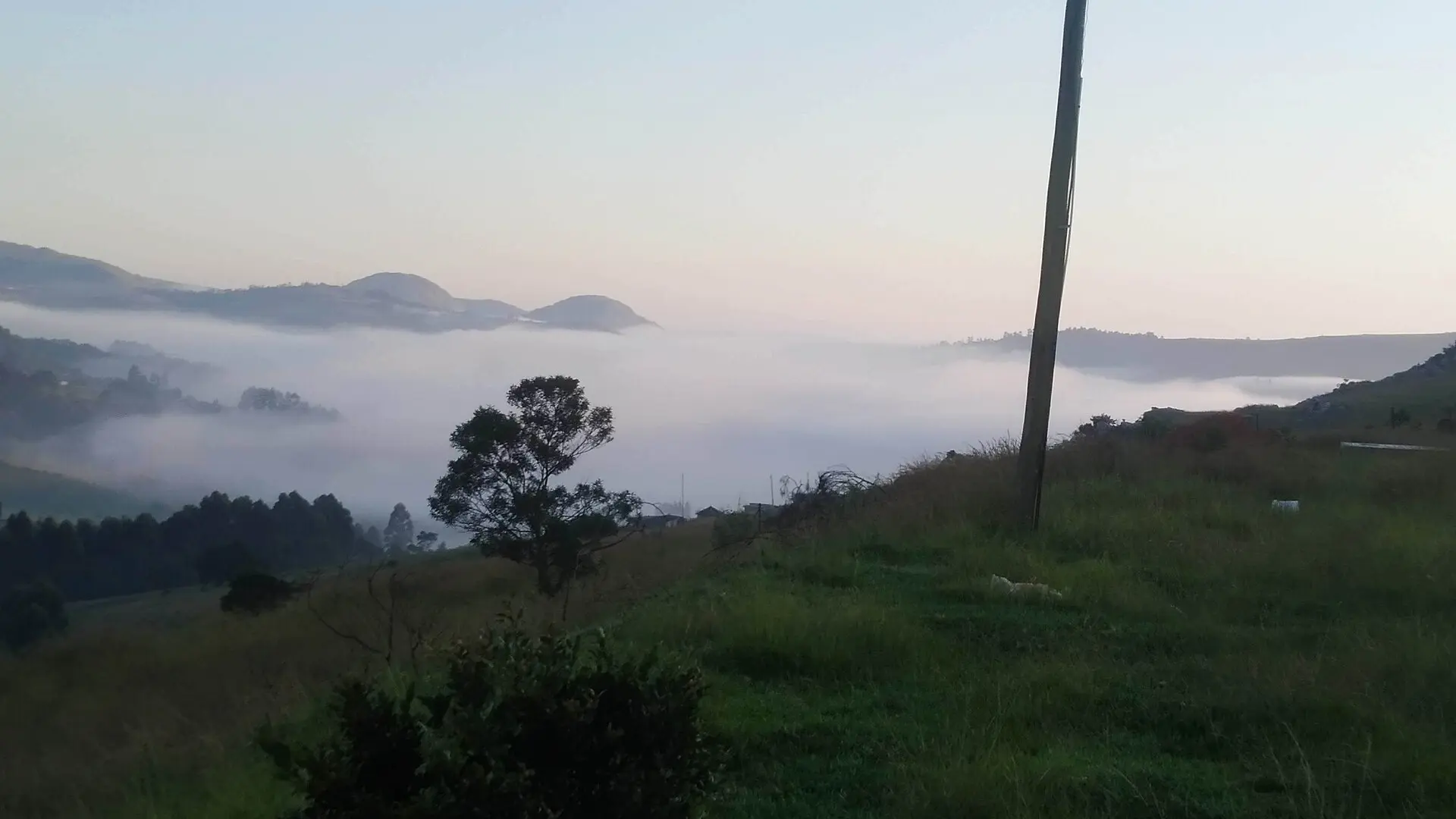
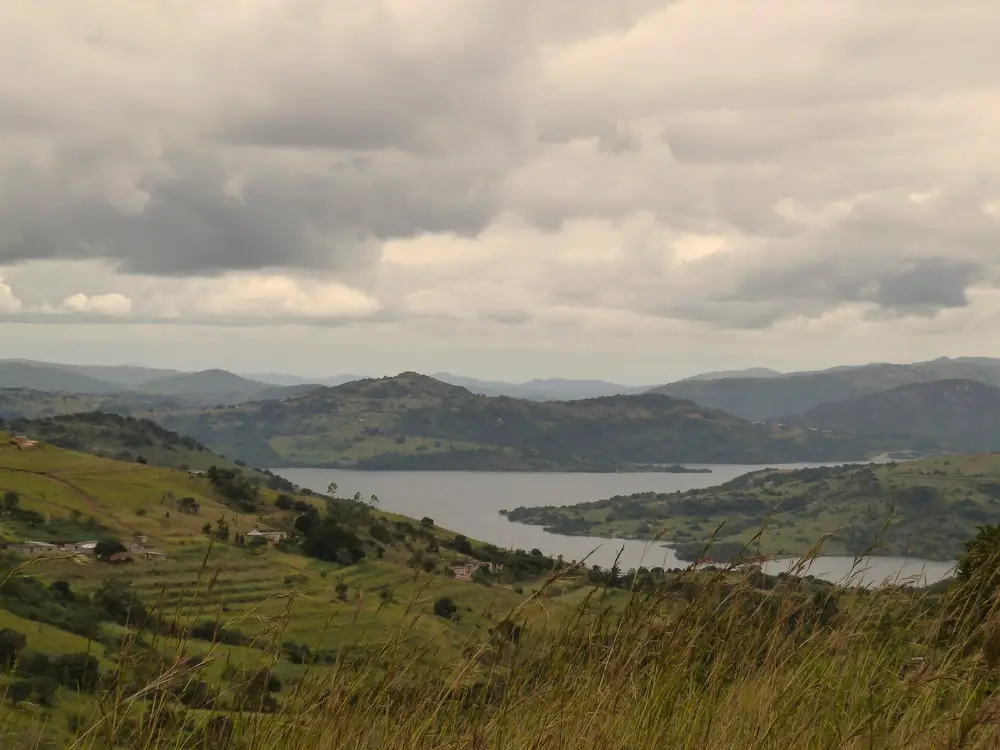
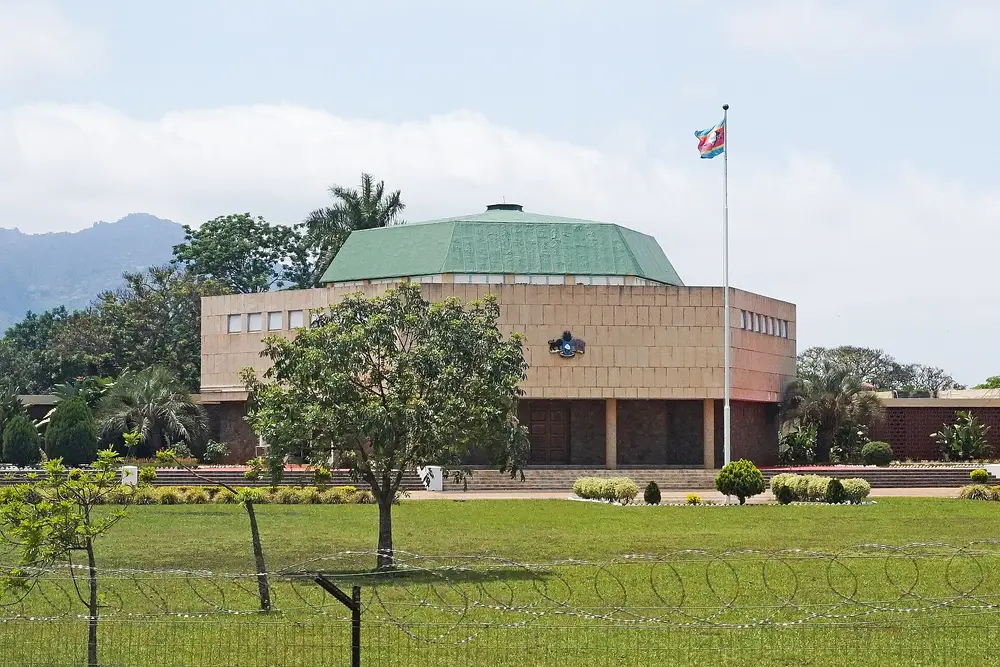
The middleveld is the populated heart of the country, with a softer climate and most of the hotels. The Ezulwini Valley — 'valley of heaven' — runs about 20 km from the outskirts of Mbabane to Lobamba, the royal and legislative capital, where the National Museum, King Sobhuza II Park and Parliament stand and the great ceremonies are held at nearby Ludzidzini. Mlilwane Wildlife Sanctuary occupies the valley floor below Nyonyane peak, and the farming area of Malkerns holds the craft trail. Manzini, the commercial hub, has the biggest market and the best transport connections, 40–45 minutes from King Mswati III International Airport.
Lowveld and Lubombo destinations
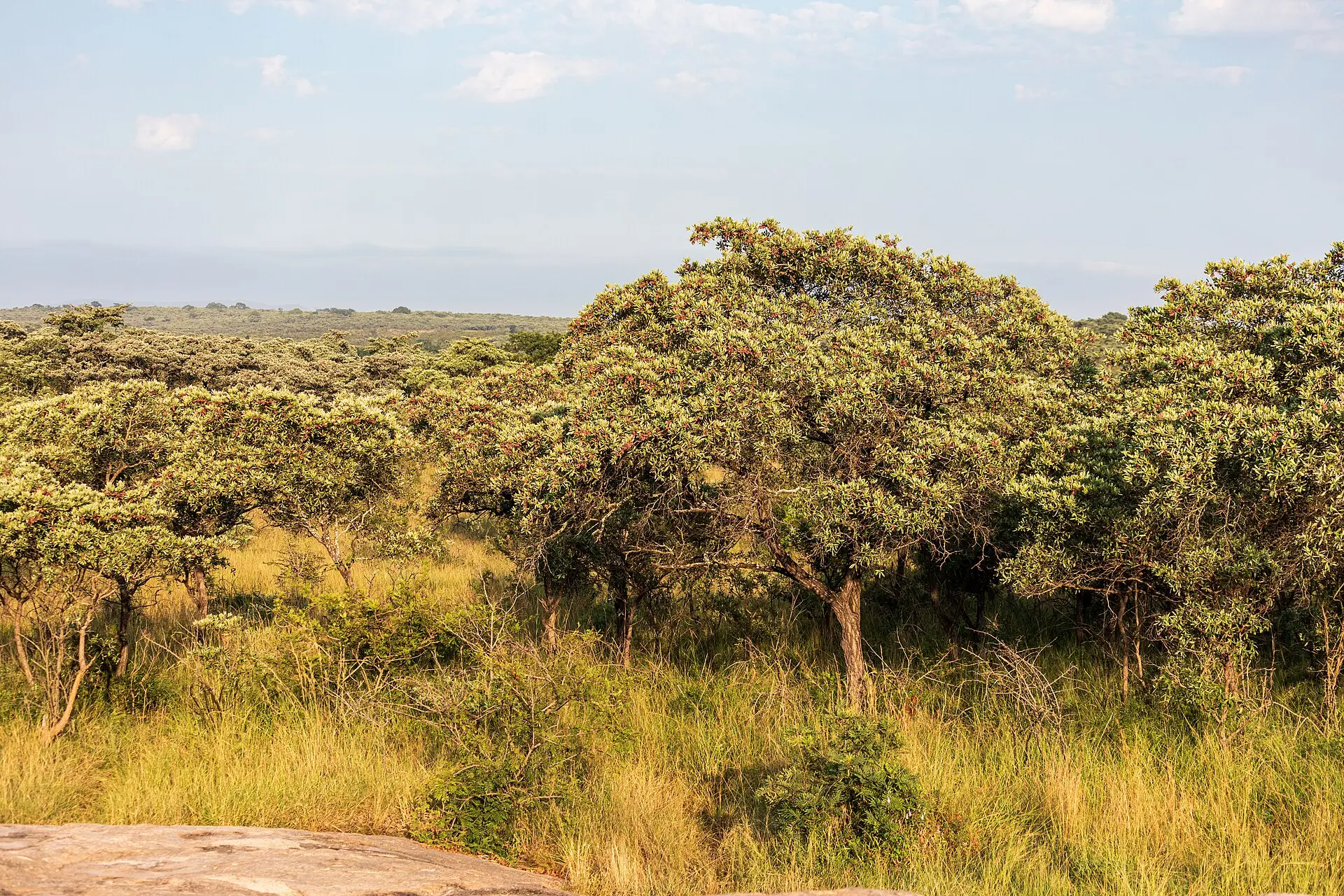
East of Manzini the land drops into hot, flat bushveld and sugar-cane estates. This is safari country: Hlane Royal National Park (about 22,000 ha, proclaimed in 1967, per Big Game Parks) near Simunye; Mkhaya Game Reserve, reached from a meeting point on the MR8 near Phuzumoya; and the Lubombo Mountains, which rise to a plateau along the Mozambique border, with Mlawula Nature Reserve, the community-run Shewula Mountain Camp and the private Mbuluzi Game Reserve. Summers are very hot and humid, winters warm and dry — the best time for game viewing. The whole lowveld is a malaria risk area (CDC).
Which destination for which traveller?
| If you are… | Go to | Why |
|---|---|---|
| Travelling with young children | Mlilwane, Ezulwini Valley | Safe walking among zebra, pools, short drives; Mkhaya does not accept under-10s |
| On a tight budget | Mlilwane (Sondzela), Manzini | Backpacker beds, kombi routes, cheap market food |
| A keen hiker | Malolotja, Mbabane (Sibebe), Lubombo | Multi-day trails, granite domes, gorge walks |
| A first-time safari-goer | Hlane | Waterhole game viewing from camp, guided drives, self-drive roads |
| Looking for rhino on foot | Mkhaya | Guided-only reserve with walking safaris (13+) |
| Interested in royal culture | Lobamba | Museum, memorial park, Umhlanga and Incwala venues |
| Coming from Kruger | Piggs Peak | Closest region to the Matsamo border |
| Heading to Mozambique | Lubombo, Hlane | Short drive to the Lomahasha/Namaacha border |
Getting between destinations
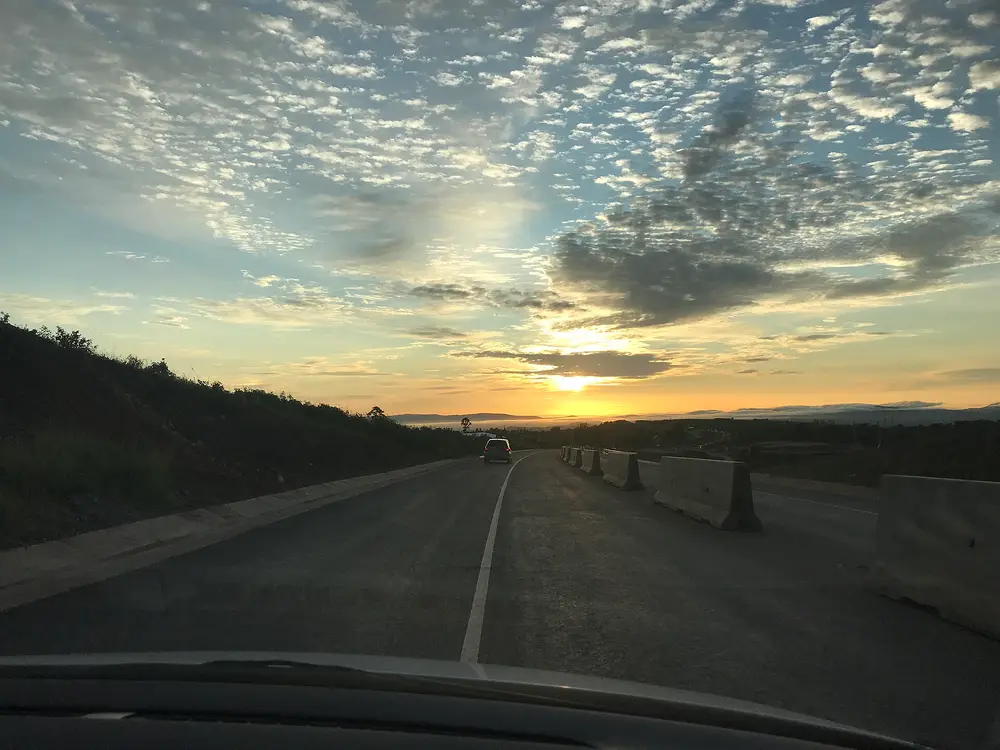
Nothing in Eswatini is far: the country measures roughly 200 km north to south and 130 km east to west. The MR3 dual carriageway runs from the Ngwenya border through Mbabane, the Ezulwini Valley and Manzini towards the lowveld; the MR1 climbs north from Mbabane past Malolotja to Piggs Peak; the MR8 heads south-east to Big Bend and the Lavumisa border. Main roads are paved, but plan to arrive before dark — livestock and unlit vehicles make night driving the biggest risk. See getting around.
The south: Shiselweni in more detail
Southern Eswatini is the least visited part of the country and has no destination hub of its own on this site, but it deserves a mention for road-trippers. The regional centre Nhlangano lies near the Mahamba border with South Africa; forestry and farmland roll towards Hlathikhulu on its ridge; and the N2-linked Lavumisa post leads into KwaZulu-Natal. Facilities are basic and tourist information thin, so treat it as a scenic transit route between KwaZulu-Natal and the middleveld, and plan fuel and overnight stops in advance.
Destinations FAQ
What is the best base? The Ezulwini Valley for most first-time visitors.
Which safari park is closest to the valley? Mlilwane, on the valley floor; Hlane and Mkhaya are about 1½ hours east.
Can I combine everything in one trip? In 7–10 days, yes — see itineraries.
Destinations by season
In winter (May–August), go east: Hlane and Mkhaya are at their best, and the lowveld days are pleasantly warm while the highveld is cold at night. In summer (November–March), go west and up: Malolotja's wildflowers and waterfalls, Phophonyane's cascades and green Ezulwini mornings, with game viewing early and late in the day. In late August or early September, plan around Lobamba and the Umhlanga Reed Dance.
Distances between destinations
| From → to | Time |
|---|---|
| Mbabane → Ezulwini Valley | 15–20 min |
| Ezulwini → Lobamba / Mlilwane | 5–15 min |
| Mbabane → Malolotja | ≈ 35 min |
| Malolotja → Piggs Peak | ≈ 40 min |
| Ezulwini → Manzini | ≈ 25 min |
| Manzini → Hlane | ≈ 1 h |
| Manzini → Mkhaya meeting point | ≈ 1 h |
| Hlane → Mlawula (Lubombo) | 20–30 min |
| Hlane → Mkhaya | ≈ 1 h |
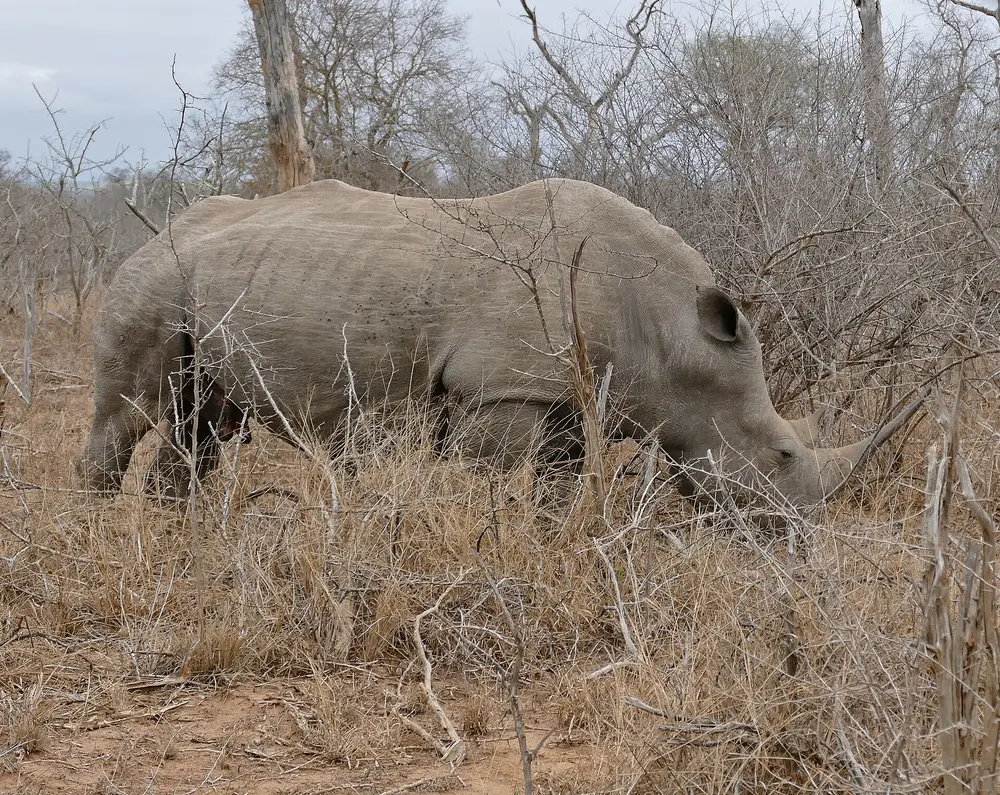
Highveld Mountains, forests & granite domes
Middleveld & Ezulwini Royal heartland & the valley
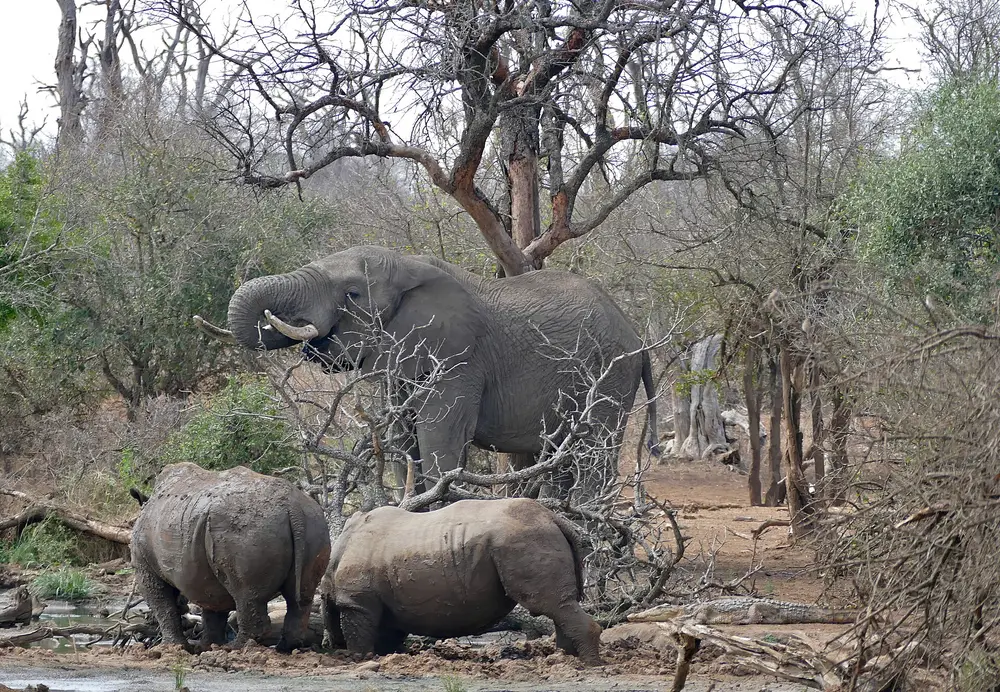
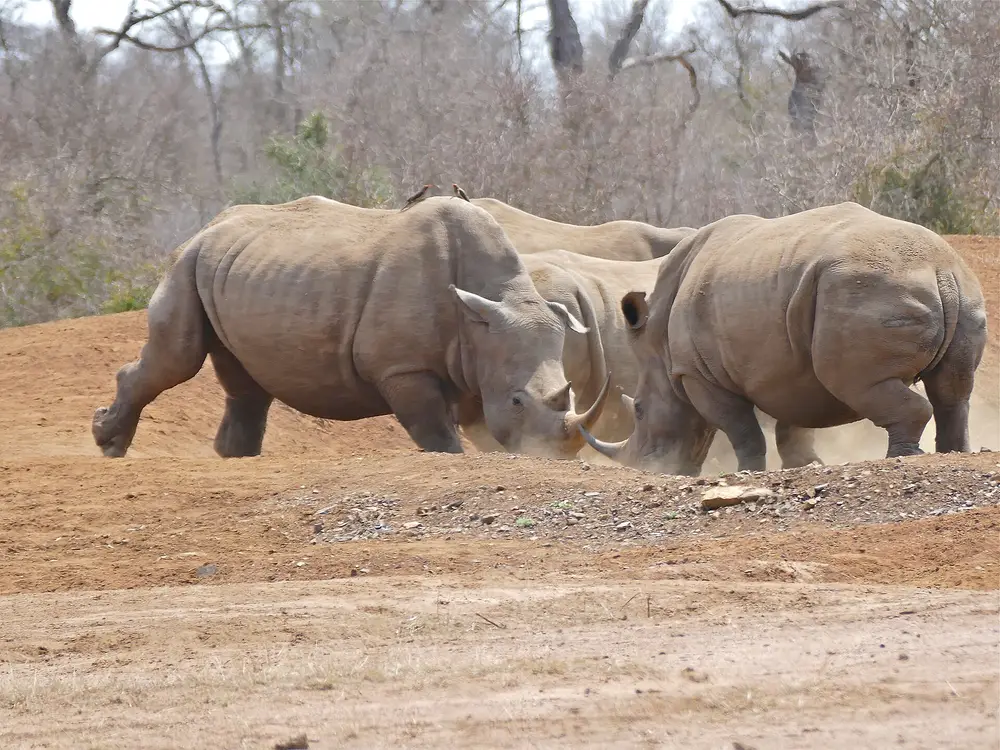
Lowveld & Lubombo Bushveld parks & the Lubombo range
Frequently asked questions
How many days do you need in Eswatini?
Three to four days covers the Ezulwini Valley and one safari park; a week lets you add Malolotja, the north and the Lubombo.
Where is the best base in Eswatini?
The Ezulwini Valley, between Mbabane and Manzini, for most first-time visitors.
Sources and official information
Facts were checked against these official sources in November 2026. Opening hours, prices and timetables change, so confirm before you go.
VisitEswatini.com is an independent guide, not the official site of the Eswatini Tourism Authority, the Government of Eswatini, Big Game Parks, the Eswatini National Trust Commission or any operator. Some links are affiliate links: tours go to GetYourGuide and hotels go to Booking.com, and we may earn a commission at no extra cost to you.