In short
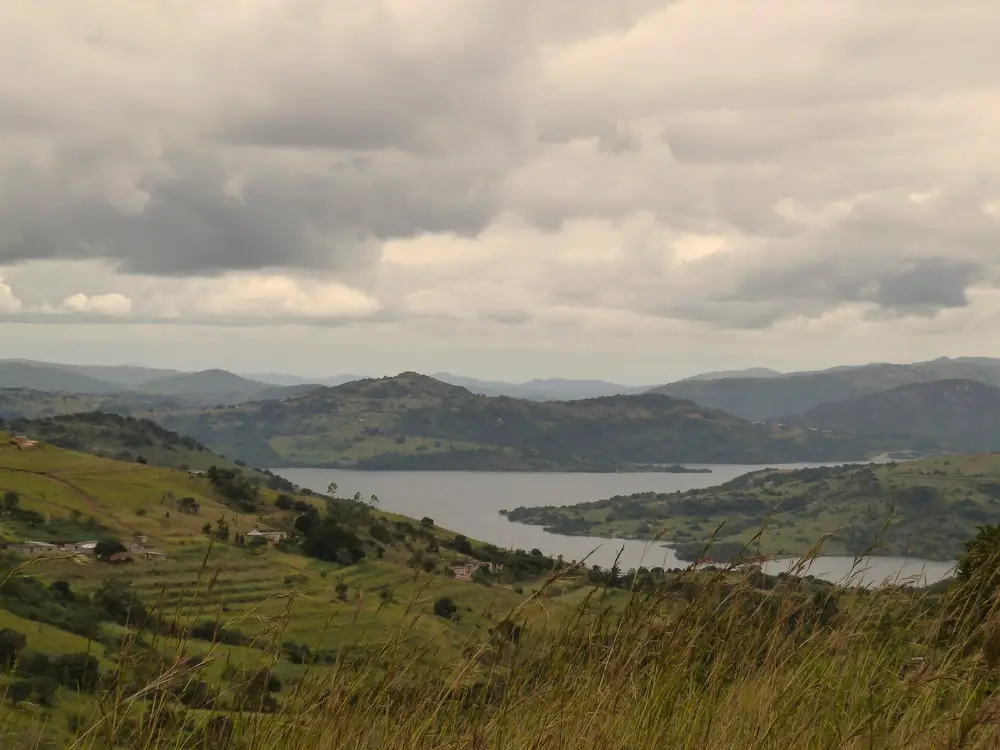
- Nov–Mar: lush, waterfalls flowing strongly, misty and stormy.
- May–Aug: dry, clear, cool nights; best for driving and walks.
Seasons
| Season | Months | Conditions | Highlights |
|---|---|---|---|
| Wet summer | Nov–Mar | Warm, humid, storms, mist | Waterfalls at their best |
| Autumn | Apr–May | Mild, clearing | Good walking |
| Dry winter | Jun–Aug | Sunny days, cold nights | Clear views, easy roads |
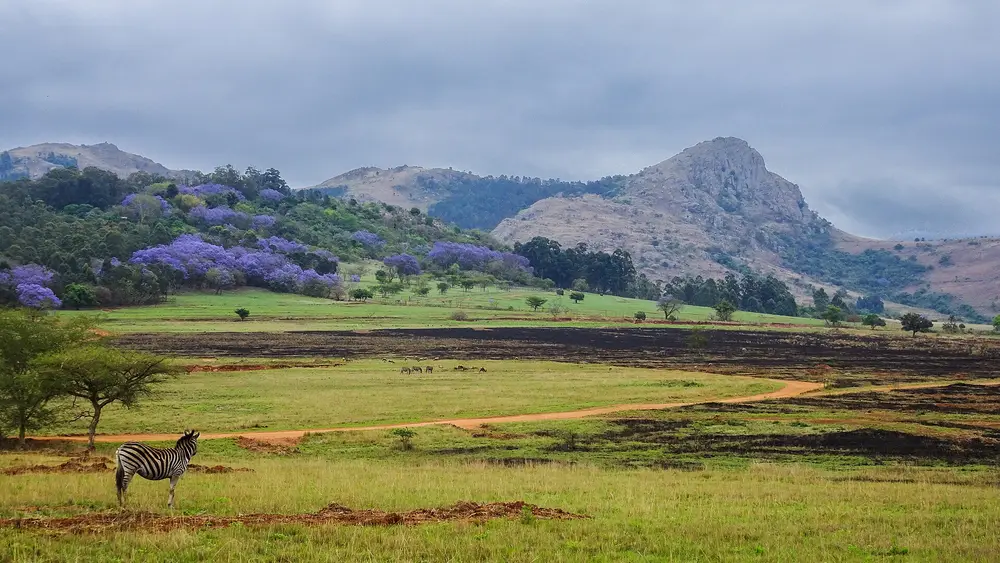
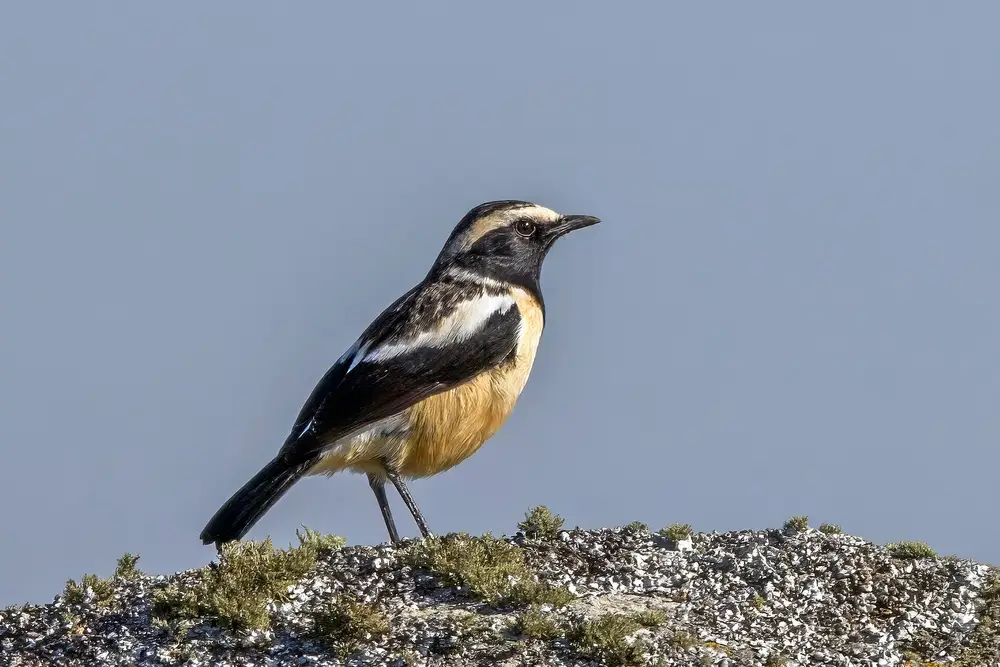
| Spring | Sep–Oct | Warming, windy | Flowering trees, birds |
Book tours in Piggs PeakLive times, prices and free cancellation terms on GetYourGuide.
Check availabilityPlanning tips
If you're combining Kruger and Eswatini, the dry winter is best for both: game viewing in Kruger peaks, and northern Eswatini's roads are dry and clear. In summer, plan drives for the morning and allow extra time in fog. See Eswatini weather.
Driving conditions
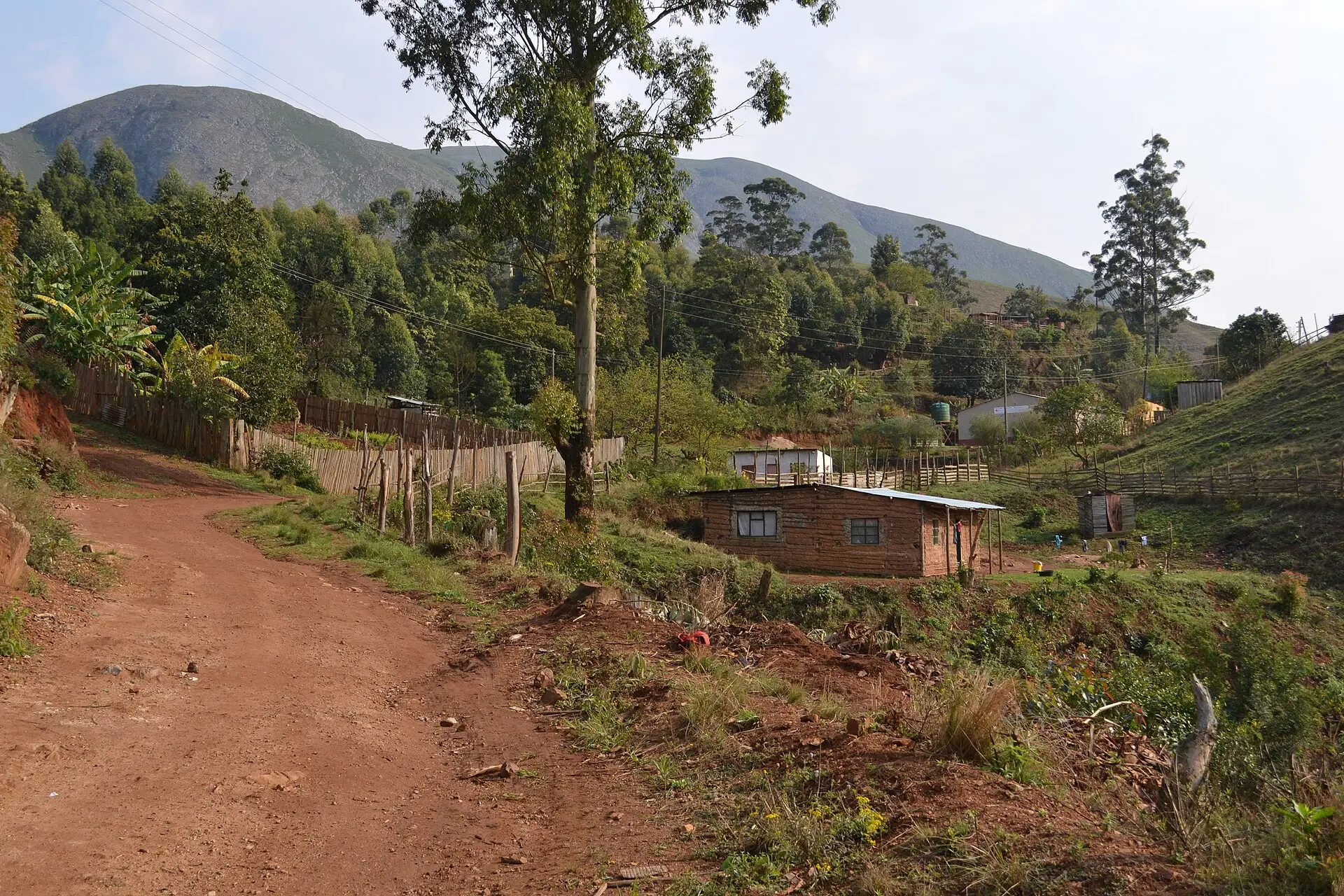
The roads around Piggs Peak are some of the twistiest in Eswatini and are shared with timber trucks. In summer, thick mist can roll in quickly, especially in the afternoon; in winter, mornings are clear but cold. Whatever the season, plan to finish mountain driving in daylight.
Month by month in the north
| Months | Weather | Good for |
|---|---|---|
| Dec–Feb | Warm, humid, frequent storms and mist | Waterfalls, lush forest |
| Mar–Apr | Mild, rains easing | Walking, photography |
| May–Aug | Dry, sunny days, cold nights | Driving, rock art, Kruger combos |
| Sep–Nov | Warming, first rains | Birds, flowering trees |
Month by month in detail
| Month | Weather | Good for |
|---|---|---|
| January | Warm, humid, frequent storms and mist | Waterfalls in full flow |
| February | Warm, wet | Lush forest, birding |
| March | Mild, rains easing | Walking, photography |
| April | Mild, clearing | Excellent walking; Easter some years |
| May | Dry, sunny, cool nights | Driving, rock art |
| June | Dry, cold nights | Clear views; Kruger combos |
| July | Dry, cold nights | Kruger combos; school holidays |
| August | Dry, windy | Clear skies, flowering trees begin |
| September | Warming, first storms | Birds return, spring colour |
| October | Warm, storms | Green flush |
| November | Warm, wet | Quiet; birding |
| December | Warm, wet | Waterfalls; festive traffic at borders |
Best time for Kruger + Eswatini combinations
Most travellers time a Kruger-and-Eswatini trip for the dry winter (May–September), when Kruger's game viewing peaks, northern Eswatini's roads are dry and clear, and malaria risk in the lowveld is lower. The north's waterfalls are thinner then, but Nsangwini and Maguga are at their most accessible. In the wet summer, you trade easier game viewing for full waterfalls, lush forest and quieter lodges outside December–January.
Holidays and border queues
Matsamo/Jeppe's Reef gets busy over Easter, in the June–July school holidays and from mid-December to early January, when border hours are sometimes extended. Plan crossings for weekday mornings where you can, and book northern lodges well ahead for those periods.
Public holidays and events in the north
Piggs Peak is far from the ceremonial centre at Lobamba, so ceremonies have little direct effect here, but national holidays — the King's Birthday (19 April), Flag Day (25 April), Umhlanga day (31 August in 2026) and Somhlolo Day (6 September) — close banks and many shops and bring more traffic to the Matsamo border. See events.
Frequently asked questions
When are the Phophonyane Falls at their best?
During and after the summer rains, roughly December to March.
Is it worth visiting northern Eswatini in winter?
Yes. June to August brings dry, sunny days, clear views and easy driving, with cold nights. The waterfalls are lower but still pretty, and it is the best season to combine with Kruger.
How misty does it get?
Very, at times. Summer afternoons and some winter mornings bring thick mist on the MR1 and around Piggs Peak and Bulembu. Drive slowly with headlights on and allow extra time.
When are the forests most beautiful?
From December to March, after the summer rains, when the indigenous forest at Phophonyane is lush and the cascades are full. Spring (September–October) adds flowering trees.
Does it snow in the north?
Snow is very rare; frost on clear winter nights at altitude is more likely. Pack warm layers from May to August.
When is the quietest time to visit?
February–March, May and November, outside South African school holidays. Weekdays are always quieter than weekends at Phophonyane and Maguga.
When is Phophonyane quietest?
Midweek outside South African school holidays, especially in May, February–March and November.
Sources and official information
Facts were checked against these official sources in November 2026. Opening hours, prices and timetables change, so confirm before you go.
VisitEswatini.com is an independent guide, not the official site of the Eswatini Tourism Authority, the Government of Eswatini, Big Game Parks, the Eswatini National Trust Commission or any operator. Some links are affiliate links: tours go to GetYourGuide and hotels go to Booking.com, and we may earn a commission at no extra cost to you.